We Lost Our Villages and It Is Killing Us
There is an epidemic that does not get nearly enough attention in the health and wellness conversation. It does not show up on a blood panel. It does not have a pharmaceutical treatment. It does not fit neatly into the framework of diet and exercise and sleep optimization that dominates most ancestral health discussions.
It is loneliness. And it is one of the most significant drivers of chronic disease and early death in the modern world.
The research on this is unambiguous and striking. Social isolation has been shown to have health consequences comparable to smoking 15 cigarettes a day. Loneliness increases the risk of heart disease by 29%, stroke by 32%, and dementia by up to 50%. It dysregulates the immune system, drives chronic inflammation, disrupts sleep, elevates cortisol, and accelerates virtually every disease process we associate with modern life.
We talk endlessly in the ancestral health world about what to eat and how to move and how to sleep. We talk about seed oils and circadian rhythms and barefoot shoes. All of that matters. But if we are not talking about the catastrophic loss of genuine human community then we are missing something fundamental about why people are sick and what it actually takes to get well.
What We Actually Are
Humans are not solitary animals who occasionally gather in groups. We are deeply, biologically, irreducibly social creatures who evolved inside small tight knit communities of 50 to 150 people. For virtually all of human history those communities were the basic unit of survival. You were born into a band, you lived your entire life inside it, you knew everyone in it intimately, and your survival depended on the health of your relationships within it.
This was not a lifestyle choice. It was the condition of human existence for hundreds of thousands of years. And our entire nervous system, hormonal system, and immune system evolved to function inside that social context.
The presence of trusted community members literally changes your biology. Oxytocin released through genuine social bonding reduces cortisol and inflammation. The felt sense of belonging and safety that comes from being known and accepted by your people downregulates the threat response that drives so much chronic disease. The accountability and shared purpose that comes from living inside a community that needs you creates the kind of meaning and motivation that no individual wellness protocol can replicate.
Our bodies expect community the way they expect food and water and sunlight. It is not optional. It is a biological requirement.
The Village We Lost
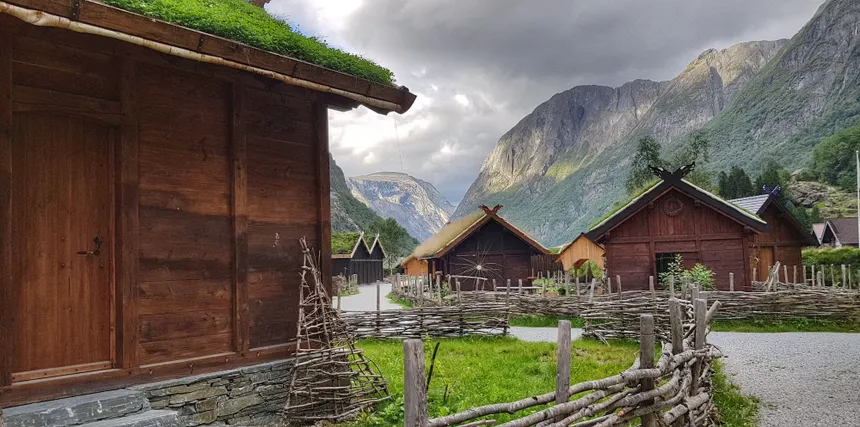
For most of human history that community was not something you had to seek out or build or maintain through effort. It was simply the water you swam in. The village, the band, the clan, the tribe. Whatever form it took in your particular culture and geography, the basic structure was the same. You were embedded in a web of relationships that held you, challenged you, needed you, and knew you across your entire lifespan.
That web provided things that we now struggle to find anywhere. Genuine belonging. Shared purpose. Intergenerational knowledge transmission. Elders who had seen what you were going through and could offer wisdom rather than just sympathy. Children who needed your knowledge and kept you connected to the future. Rituals and ceremonies that marked the passages of life and bound the community together around shared meaning. And perhaps most importantly, a quality of being truly known by the people around you that is almost impossible to replicate in modern social life no matter how many friends you have on your phone.
We lost that. Not gradually and not accidentally. We lost it through a specific historical process that unfolded over centuries and whose consequences we are still living inside of.
What Colonization Took From Everyone
This is where the conversation gets more complex and more important than the standard loneliness epidemic discussion usually goes.
When we talk about the destruction of indigenous community and culture through colonization we are talking about one of the most profound and devastating losses of human social fabric in history. The forced removal from ancestral lands. The destruction of languages, ceremonies, and knowledge systems that had been transmitted across thousands of years. The deliberate dismantling of the social structures through which indigenous peoples organized their lives, raised their children, healed their sick, and maintained their relationship with the land. The intergenerational trauma of that destruction is real, documented, and ongoing. It shows up in health outcomes, in mental health statistics, in the particular grief of communities still reckoning with what was taken.
But there is another layer to this story that rarely gets named and that I think is essential to understanding how we got here and how we find our way back.
The European peoples who colonized the Americas were not coming from a place of cultural wholeness. They were not healthy communities with deep roots and intact traditions who chose extraction and domination from a position of abundance. They were themselves the products of centuries of systematic disconnection from their own land based traditions, their own animist relationships with the natural world, their own ancestral ways of living and healing and being in community.
The Scottish Highland Clearances forcibly removed entire communities from ancestral lands that had been theirs for generations. The enclosure of common lands across England destroyed the village commons that had organized rural community life for centuries. The brutal suppression of pre-Christian European traditions, the criminalization of folk medicine and herbalism, the destruction of the ceremonial and seasonal rhythms that had organized European community life since before recorded history. These were not ancient events with no living legacy. They were relatively recent historical traumas whose effects compounded across generations.
The people who got on boats and crossed the Atlantic were largely people who had already lost their villages. Who had already been severed from the land and the traditions and the community structures that had sustained their ancestors. Who were carrying a deep unhealed wound of disconnection that they may not have had words for but that shaped everything about how they related to the world they encountered.
This does not excuse what happened. The violence and extraction of colonization caused immeasurable suffering and its consequences are still very much present. But understanding that the colonizers were themselves traumatized and disconnected changes the nature of the healing conversation. It suggests that the wound runs deeper than a simple story of perpetrators and victims. It is a wound in the human relationship with land, community, and ancestral ways of living that affected everyone, in different ways and to vastly different degrees, but everyone nonetheless.
And it suggests that genuine healing has to happen on both sides of that wound.
What Healing Actually Requires
I had a conversation recently with Scottie Schneider, founder of Ocoyai, an indigenous guided mentorship and education community in Colombia built on long term relationships with elders from multiple traditions. Scottie came through West Point and military service before making a profound pivot toward indigenous knowledge and he has spent years thinking carefully about exactly these questions.
Something he said has stayed with me. Humans do not heal alone. And most modern wellness paths still try to.
That is one of the most important observations about the current state of health and wellness that I have encountered. We have built an entire industry around the individual as the unit of health. My diet, my protocols, my optimization, my healing journey. And while individual choices matter enormously, that framing misses something that traditional and indigenous cultures understood so fundamentally that they never needed to name it.
Health emerges from right relationship. With your people. With your place. With the living systems that sustain you. It is not something you optimize in isolation. It is something that happens inside community when community is functioning the way human communities evolved to function.
The implications of that understanding are profound and in some ways inconvenient for a wellness industry built around selling individual solutions. Because you cannot buy your way into genuine community. You cannot supplement your way out of isolation. You cannot biohack your nervous system into the state of felt safety and belonging that comes from being truly known and needed by the people around you.
What you can do is start building it. Deliberately, imperfectly, starting from wherever you actually are.
What This Looks Like Practically
I want to be honest that this is one of the areas where I personally have the most work to do. I built genuine community around land based living in Florida and when that community fell apart my health unraveled in ways I did not fully connect to that loss until much later. Moving to a city, losing the social fabric that had held my life together, trying to navigate a return to ancestral health largely alone. The isolation has been as damaging as anything I ate.
So I am not writing this from a place of having figured it out. I am writing it from a place of understanding, finally and clearly, what is missing and why it matters.
A few things I am actively working on and that I think are worth considering for anyone in a similar situation:
Find your people around shared practice rather than shared belief. The ancestral health and rewilding world is full of people who are genuinely trying to live differently. Foraging groups, permaculture guilds, ancestral health meetups, regenerative farming communities. These are places where community can form around doing things together rather than just talking about them.
Prioritize depth over breadth in your relationships. Modern social life tends toward a large number of shallow connections. What the village provided was a small number of deep ones. Investing in fewer relationships with more genuine mutual knowledge and commitment is closer to what human beings actually need.
Find ways to be genuinely needed. One of the things that community provides that individual wellness protocols cannot is the experience of being necessary to other people. Volunteering, mentoring, participating in mutual aid networks, contributing real skills to your local community. Being needed by others is medicine in a way that being served by others is not.
Engage with the land wherever you are. Even in a city. Even in an apartment. A relationship with your local ecosystem, however small and fragmented, is a thread connecting you to something larger than yourself that the human nervous system recognizes and responds to.
And if you have access to indigenous or traditional knowledge keepers who are open to relationship, approach that with genuine humility, long term commitment, and real reciprocity rather than as a consumer seeking an experience. What those relationships have to offer goes far beyond anything available in the wellness marketplace. But they require something the wellness marketplace never asks of you. They require you to show up over time, to give as much as you receive, and to be willing to be changed by what you encounter.
The Path Forward
We are not going to rebuild the village overnight. The forces that dismantled it operated over centuries and their legacy is deeply embedded in how modern life is organized. But understanding what was lost and why it matters is the essential first step.
The ancestral health conversation needs to expand beyond food and movement and sleep. It needs to include community as a biological necessity, reciprocity as a health practice, and the healing of the deep cultural wounds that left so many of us without the social fabric our bodies and minds were designed to live inside.
That is not a comfortable conversation. It requires sitting with a history that is painful and complex and unresolved. It requires acknowledging that the wellness industry's individualized model, however well intentioned, is built on the same cultural assumptions that contributed to the problem in the first place.
But it is the conversation that actually gets to the root. And getting to the root is what ancestral health is supposed to be about.
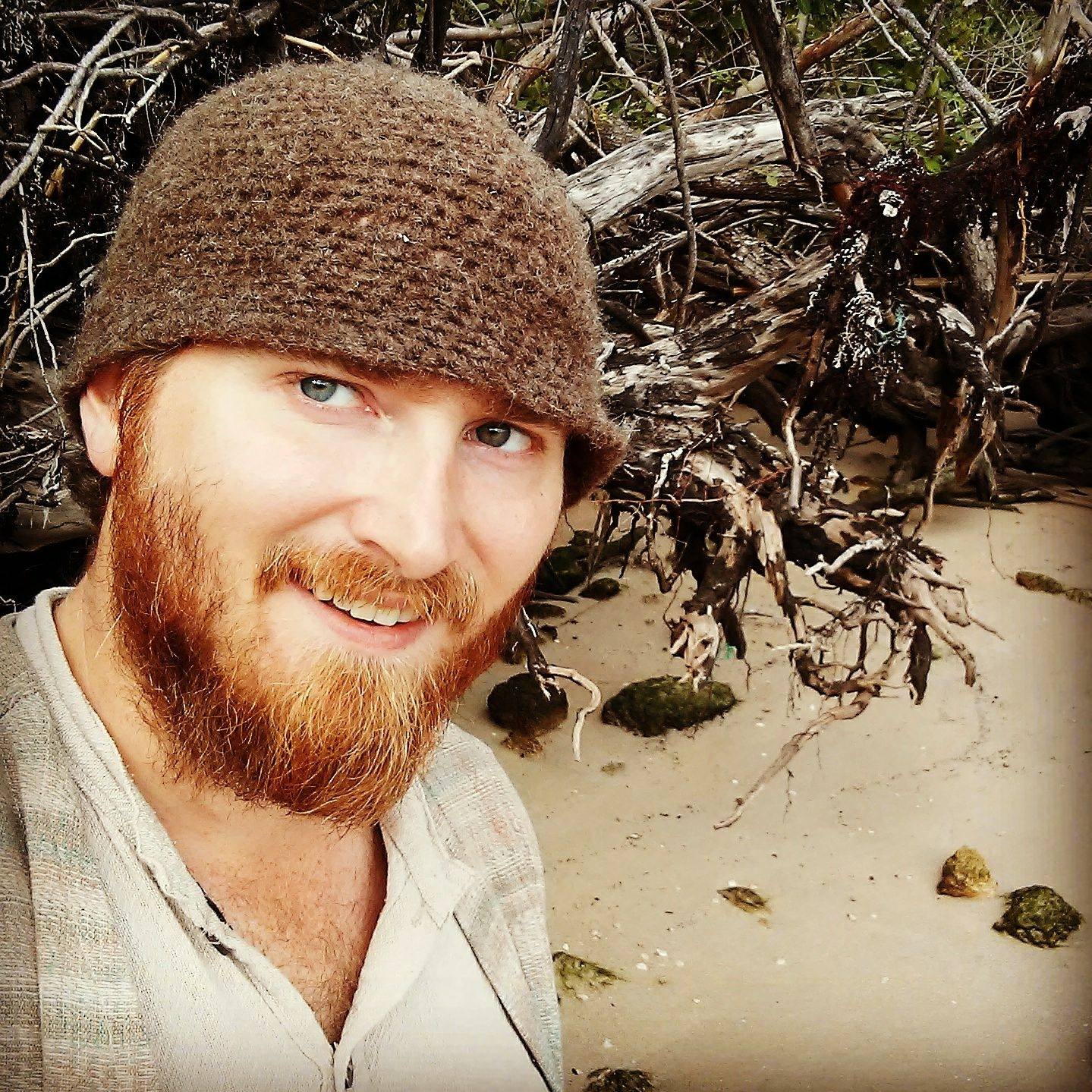
David Atlas is an ancestral health and movement coach and permaculture farmer. After years of living close to the land and helping others reverse metabolic disease through ancestral approaches to food and movement, life pulled him in a different direction. A difficult transition, a new city, and the slow drift of the standard American diet led to a type 2 diabetes diagnosis in 2026.
Instead of keeping it private, he started a podcast. Undomesticated documents his real time return to primal living; from inside a city, on a budget, with a bread-loving spouse; and brings in the best voices in ancestral health, wild food, natural movement, and human rewilding along the way.
David knows this world from the inside. He also knows what it looks like when it falls apart. That combination is what makes Undomesticated worth listening to.
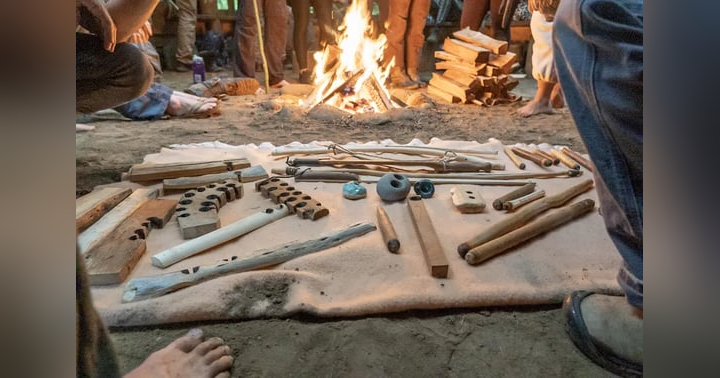
Primitive Skills Are Not About Survival. They Are About Being Human.