The Real Reason Americans Are Sick and It Has Nothing to Do With Willpower
Walk into any doctor's office in America and you will find a waiting room full of people managing chronic conditions. Diabetes, heart disease, obesity, autoimmune disorders, depression, chronic fatigue. Conditions that are being treated, managed, monitored, and medicated. Rarely reversed. Rarely questioned at their root.
The conversation around chronic disease in this country almost always comes back to personal responsibility. Eat less, move more, make better choices. The implication is clear. If you are sick it is largely because of decisions you made. Weakness. Lack of discipline. Poor willpower.
I want to challenge that narrative directly. Not to remove personal responsibility from the equation entirely, because the choices we make do matter. But because that narrative is missing something enormous and that gap is costing people their health and their lives.
The United States is the most chronically ill wealthy nation on earth. We spend more on healthcare than any country in human history and we have among the worst chronic disease outcomes in the developed world. If this were simply a matter of individual willpower and personal choice, you would expect to see that reflected differently across populations, cultures, and time periods. You do not. What you see instead is a pattern that follows the spread of a very specific thing. The industrialized western diet.
This is not a coincidence. It is a consequence.
We Were Not Always This Sick
In 1900 heart disease was rare enough that most physicians went their entire careers without seeing a case. Type 2 diabetes was so uncommon it was considered a medical curiosity. Obesity existed but was nowhere near the epidemic it has become. Cancer rates were a fraction of what they are today.
These are not diseases that have always plagued humanity. They are modern diseases. Diseases of civilization. And they track almost perfectly with the industrialization of the food supply.
Traditional cultures eating their native diets, whatever those diets happened to be, did not suffer from these conditions at anything close to modern rates. This was documented extensively by Weston A. Price, a dentist who traveled the world in the 1930s studying populations that had not yet been touched by industrialized food. Culture after culture eating wildly different diets but sharing extraordinary physical health, dental structure, and freedom from the chronic diseases already beginning to appear in industrialized populations.
When those same cultures transitioned to western industrialized diets the diseases followed. Rapidly and predictably. This has been documented in indigenous populations around the world, in populations that urbanized quickly, and most starkly in groups like the Pima people of the American Southwest who share genetics with Mexican Pima people living traditional lives but have dramatically different health outcomes based almost entirely on diet and lifestyle.
The genes did not change. The food did.
How It Happened
The transformation of the American food supply did not happen overnight and it was not driven by any single decision. It was the result of a series of developments spanning roughly a century that collectively created a nutritional environment unlike anything human beings had ever encountered before.
It started with the industrialization of grain processing in the late 1800s. Roller milling technology made it possible to produce white flour at industrial scale by removing the bran and germ from wheat. What was left was essentially pure starch, nutritionally bankrupt, shelf stable, and cheap. The rapid rise in refined flour consumption contributed to widespread vitamin deficiency diseases so severe that the government eventually mandated synthetic fortification of flour to replace the nutrients that had been milled out. We created a food so stripped of nutrition that it caused disease, then added synthetic vitamins back in and called it enriched.
Sugar consumption followed a similar arc. Americans went from consuming roughly 6 pounds of sugar per year in the early 1800s to over 100 pounds per year by the early 1900s as industrial sugar production made sweetness cheap and ubiquitous for the first time in human history.
Then came the seed oils. For virtually all of human history cooking fats came from animals. Lard, tallow, butter, suet. These fats had been part of the human diet for hundreds of thousands of years. In 1911 Procter and Gamble launched Crisco, a solidified cottonseed oil product made through a process called hydrogenation. It was marketed as a modern, clean, scientific alternative to animal fats. There was no evidence it was better for human health. It was cheaper to produce and more profitable to sell. The hydrogenation process also created trans fats, a form of fat that does not exist in nature and that we now know causes cardiovascular disease. Trans fats remained in the American food supply for most of the 20th century before being banned by the FDA in 2015, after decades of causing an estimated 50,000 deaths per year.
The next chapter was written by a physiologist named Ancel Keys. In the 1950s Keys became convinced that dietary saturated fat caused heart disease and spent decades using his considerable political influence to embed that idea into American nutritional policy, despite significant flaws in his research that critics identified at the time. His Six Countries Study, the cornerstone of the saturated fat hypothesis, cherry picked data from 22 available countries to show the correlation he wanted to find. When researchers later analyzed all 22 countries the correlation largely disappeared.
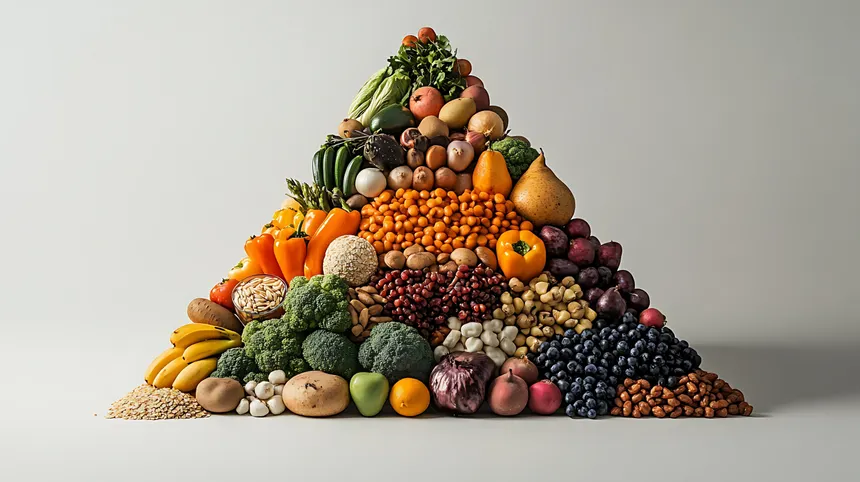
It did not matter. Keys had already won the political battle. In 1961 the American Heart Association issued guidelines recommending Americans replace saturated fats with vegetable oils. In 1977 the McGovern Report established federal dietary guidelines built around reducing fat and increasing carbohydrate consumption. The USDA Food Pyramid followed, teaching generations of American children that grains should be the foundation of the diet and fats should be used sparingly.
Americans followed the guidelines. They reduced fat consumption and increased carbohydrate consumption. And they got dramatically fatter and sicker. Between 1980 and 2000, as the low fat movement reached its peak, obesity rates in America roughly doubled.
The low fat era also handed the food industry a problem and an opportunity. When you remove fat from food it tastes terrible. Food manufacturers solved this by replacing fat with sugar, refined starch, and thousands of chemical additives designed to restore palatability. Low fat yogurt loaded with sugar. Low fat salad dressing packed with high fructose corn syrup. Low fat everything, stripped of the one macronutrient that actually creates satiety, replaced with ingredients that drive overconsumption.
High fructose corn syrup arrived in the 1970s and by the 1980s had replaced cane sugar in most soft drinks and processed foods because it was significantly cheaper, a consequence of corn subsidies built into federal agricultural policy that made corn one of the most artificially cheap commodities in the world. Fructose is metabolized almost entirely by the liver and in the concentrated amounts now present throughout the food supply it drives fat accumulation, insulin resistance, and metabolic dysfunction at a scale that is genuinely catastrophic.
And then came the most deliberate chapter of all. Food engineering. By the 1990s major food companies were investing heavily in what industry insiders called the bliss point, the precise combination of sugar, fat, and salt that maximizes palatability and overrides the body's natural satiety signals. Food scientists studied brain imaging to understand neurological reward responses. They engineered textures designed to dissolve in the mouth so the brain never registered fullness. They calibrated ingredients with mathematical precision to create products that behave more like drugs than food.
This was not accidental. It was designed. The processed food industry spent billions of dollars engineering products that hijack the same neurological reward pathways as addictive substances. Blaming people for overeating this food is like blaming someone for getting addicted to a substance that was specifically engineered to be addictive.
What Our Ancestors Ate Instead
Here is what gets lost in the modern nutrition conversation. For the vast majority of human history, before any of this existed, people ate whole animals. Not just the muscle meat we think of as normal today, but the organs, the fat, the marrow, the connective tissue. Nose to tail eating was not a culinary trend. It was survival logic. And it produced some of the most nutrient dense nutrition available anywhere in the natural world.
Liver, heart, kidney, and other organ meats contain concentrations of vitamins, minerals, and cofactors that muscle meat simply cannot match. Traditional cultures around the world prized these foods above almost everything else. Hunters gave organs to elders and children first. Indigenous peoples across the Americas, Africa, Asia, and Europe all recognized that the organs were where the real nutrition lived.
Modern food culture has almost entirely abandoned organ meats, partly due to cultural shift, partly due to the rise of industrialized meat production that made muscle meat cheap and ubiquitous, and partly because nobody taught the next generation how to prepare or appreciate them. The result is a population eating the least nutritious parts of the animal while the most nutrient dense parts go to waste or into pet food.
Getting organ meats back into your diet is one of the highest leverage nutritional moves you can make. If the idea of cooking liver or heart feels like too big a leap right now, a quality organ meat supplement is a practical and effective bridge. I have been using the Hunters Portion from Surthrival, a premium elk organ blend in capsule form made from freshly harvested North American elk. It contains the organs our ancestors prized most and delivers them in a format that works for modern life. No preparation, no strong flavors, just the concentrated ancestral nutrition your body was designed to run on.
You can find it here: The Hunters Portion, Premium Elk Organ Blend
Where We Are Now
The result of a century of these decisions is the chronic disease catastrophe we are living in right now.
74% of American adults are overweight or obese. 37 million have diabetes. Another 96 million have prediabetes. That is more than one in three American adults with blood sugar dysregulation serious enough to dramatically increase their risk of heart disease, kidney failure, nerve damage, and early death. Heart disease remains the leading cause of death despite decades of guidelines, medications, and public health campaigns aimed at reducing it. Autoimmune conditions have tripled in recent decades. Depression and anxiety are at epidemic levels.
And the conventional medical response to this catastrophe is to manage symptoms with pharmaceuticals. Statins for cholesterol. Metformin and insulin for diabetes. Antidepressants for depression. Blood pressure medications for hypertension. These interventions have their place in acute crisis management and save real lives in those contexts. But they do not address why people are sick. They manage the downstream consequences of a broken food environment without changing the environment.
I know this personally. I was recently diagnosed with type 2 diabetes. My doctor's first response was to discuss medication. The conversation about food was brief and secondary. This is not a criticism of my doctor as an individual. She is working within a system that was designed around pharmaceutical intervention rather than lifestyle medicine and that system was shaped by the same forces that shaped the food supply.
This Is Not About Willpower
I want to come back to where I started because I think it matters.
The chronic disease epidemic in America is not primarily a story about weak individuals making bad choices. It is a story about a food environment that was systematically engineered to produce exactly these outcomes, driven by profit motive, bad science that got politically entrenched, agricultural policy captured by commodity crop interests, and a medical system incentivized to treat disease rather than prevent it.
People are not sick because they lack discipline. They are sick because they are swimming upstream against a current that was deliberately engineered to be as strong as possible.
Understanding that changes the nature of the effort required to reclaim your health. It is not about fixing your character. It is about consciously opting out of a system that was never designed with your wellbeing in mind and returning to the nutritional and lifestyle conditions that human beings actually evolved to thrive in.
That is what ancestral health is. Not a diet trend. Not a lifestyle aesthetic. A conscious return to what actually works, grounded in evolutionary biology and the wisdom of traditional cultures that never lost their way in the first place.
It is possible to find your way back. Even from inside a city. Even on a limited budget. Even when the people around you are not on board. I am doing it right now, in real time, and I am documenting every step of the journey on the Undomesticated podcast.
If you want to go deeper on this topic, episode three of Undomesticated covers the full history of how the American diet was transformed and what that transformation has cost us. You can listen wherever you get your podcasts or watch on YouTube.
The path back starts with understanding how we got here. Now you know.
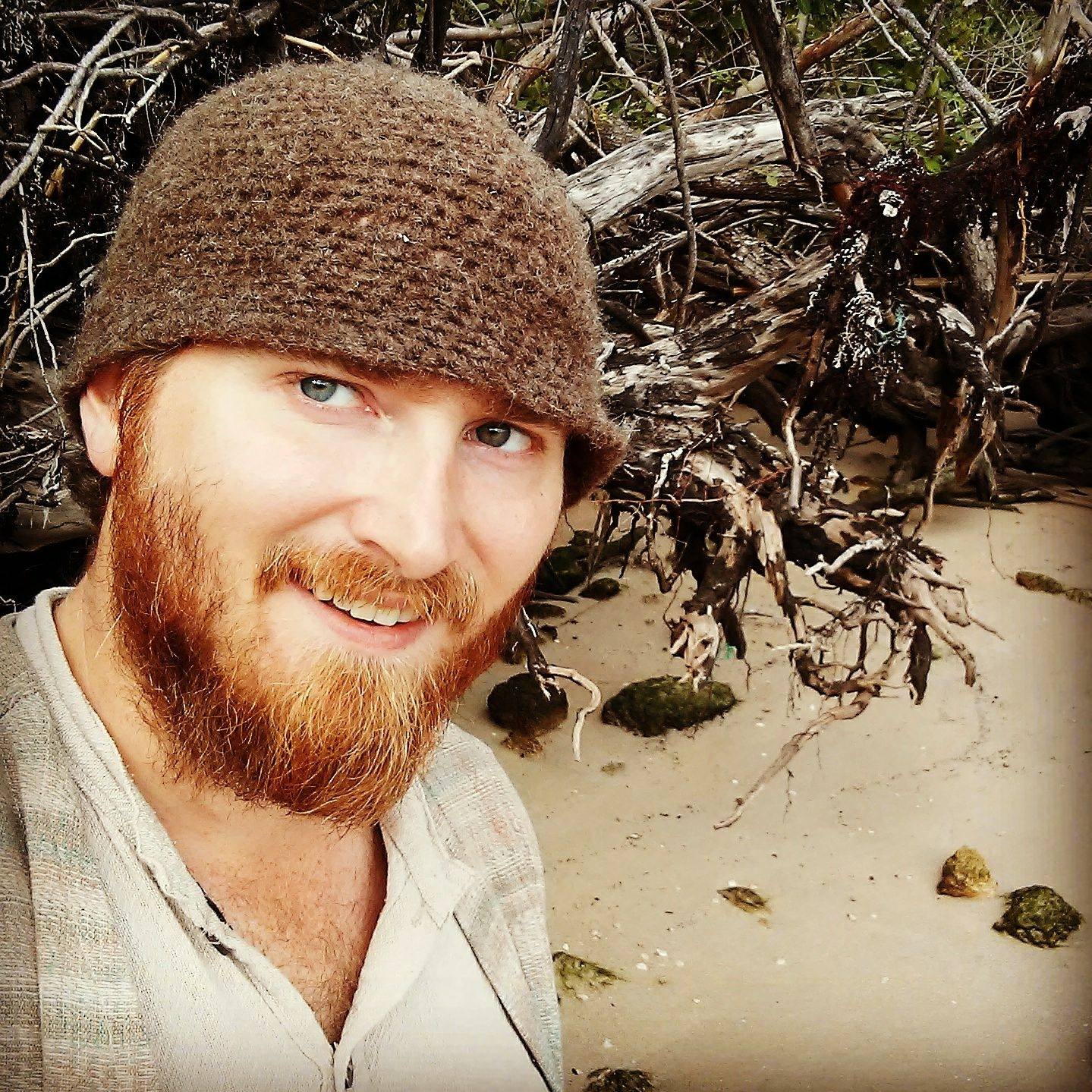
David Atlas is an ancestral health and movement coach and permaculture farmer. After years of living close to the land and helping others reverse metabolic disease through ancestral approaches to food and movement, life pulled him in a different direction. A difficult transition, a new city, and the slow drift of the standard American diet led to a type 2 diabetes diagnosis in 2026.
Instead of keeping it private, he started a podcast. Undomesticated documents his real time return to primal living; from inside a city, on a budget, with a bread-loving spouse; and brings in the best voices in ancestral health, wild food, natural movement, and human rewilding along the way.
David knows this world from the inside. He also knows what it looks like when it falls apart. That combination is what makes Undomesticated worth listening to.
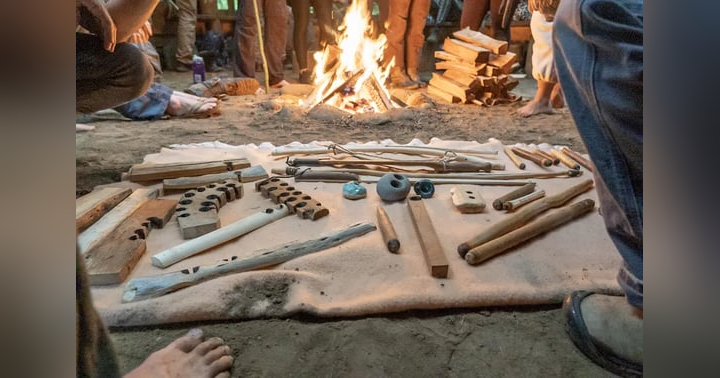
Primitive Skills Are Not About Survival. They Are About Being Human.