
Seed Oils Are Everywhere and They Are Making You Sick. Here Is What to Do About It.
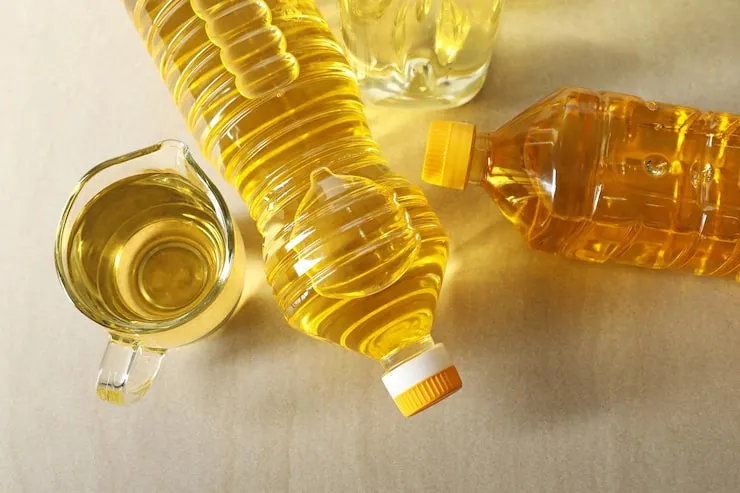
There is a good chance that right now, sitting in your kitchen, you have several bottles of oil that are actively contributing to inflammation, metabolic dysfunction, and chronic disease. Not because you made a bad choice. Because the modern food system made that choice almost unavoidable.
Seed oils are one of the most consequential and least discussed drivers of the chronic disease epidemic and most people have never heard the term, let alone understood what it means for their health. This post is going to change that.
What Are Seed Oils
Seed oils are industrially processed oils extracted from seeds and grains. The list includes soybean oil, corn oil, canola oil, cottonseed oil, sunflower oil, safflower oil, grapeseed oil, and rice bran oil. You will find them in virtually every processed food on grocery store shelves, in almost every restaurant kitchen in America, and probably in your pantry right now under the guise of vegetable oil.
They are cheap to produce, shelf stable, and have been marketed for decades as heart healthy alternatives to animal fats. That marketing claim is not supported by the evidence. In fact the evidence increasingly points in the opposite direction.
How They Are Made
Understanding how seed oils are produced goes a long way toward understanding why they are problematic. These oils do not flow freely from their source the way olive oil does from olives or butter does from cream. They have to be forcibly extracted from seeds that were never designed to yield significant quantities of oil in the first place.
The industrial extraction process typically involves high heat, chemical solvents like hexane, and a series of refining, bleaching, and deodorizing steps designed to remove the rancid smell and unpleasant color that result from the extraction process itself. By the time the oil reaches the bottle on the grocery store shelf it has been so heavily processed that it barely resembles anything that existed in nature.
That processing matters because it fundamentally alters the chemical structure of the fats in ways that have real consequences for human health.
The Omega 6 Problem
Seed oils are extremely high in omega 6 polyunsaturated fatty acids, particularly linoleic acid. This is not inherently a problem in small amounts. Omega 6 fatty acids are essential, meaning the body cannot produce them and needs to obtain them from food. The problem is the ratio.
Humans evolved eating a diet with a ratio of omega 6 to omega 3 fatty acids of roughly 1 to 1 or at most 4 to 1. Our bodies developed over hundreds of thousands of years in that nutritional context and our inflammatory and immune systems are calibrated to function properly within that range.
The modern American diet now has an omega 6 to omega 3 ratio estimated at somewhere between 15 to 1 and 20 to 1. That extreme imbalance is driven almost entirely by the massive increase in seed oil consumption over the past century. And it matters because omega 6 and omega 3 fatty acids compete for the same metabolic pathways. When omega 6 dominates overwhelmingly it drives the production of pro inflammatory compounds throughout the body.
Chronic systemic inflammation is the underlying mechanism of virtually every chronic disease that is killing people in epidemic numbers right now. Heart disease, type 2 diabetes, obesity, autoimmune conditions, depression, Alzheimer's disease. All have strong inflammatory components. All have increased dramatically over the same period that seed oil consumption has risen.
This is not a fringe position. The research on omega 6 to omega 3 ratios and inflammatory disease is substantial and growing stronger. It is one of the most important and underappreciated conversations in nutritional science.
The Oxidation Problem
Polyunsaturated fatty acids are chemically unstable. They oxidize readily when exposed to heat, light, and air. Oxidized fats produce toxic byproducts called aldehydes and other reactive compounds that damage cells, contribute to arterial plaque, and drive inflammation at a molecular level.
The problem is that seed oils are almost always used in exactly the conditions that cause rapid oxidation. Frying, sauteing, roasting at high heat. Every time you cook with a seed oil at high temperature you are producing a cascade of oxidation products that your body has to deal with. And given how ubiquitous these oils are in restaurant cooking and processed foods, most people are consuming oxidized seed oil byproducts at every single meal without knowing it.
Traditional cooking fats, animal fats like lard, tallow, and butter, are primarily saturated and monounsaturated fatty acids. These are chemically stable. They do not oxidize readily under heat. They have been safely used as cooking fats by human beings for hundreds of thousands of years. The idea that they are more dangerous than industrially processed seed oils is one of the great nutritional inversions of the 20th century.
They Are Hiding Everywhere
Here is the part that surprises most people when they first start paying attention. Seed oils are not just in the obvious places like cooking oil and margarine. They are in almost every processed food product on the market and in many products that most people think of as healthy.
Salad dressing is one of the biggest hidden sources of seed oils in the average diet. Most commercial salad dressings, including many that are marketed as natural or healthy, are made with soybean oil or canola oil as the primary ingredient. People who think they are making a healthy choice by eating a salad are often drowning it in industrially processed seed oil without realizing it.
Other hidden sources include mayonnaise, hummus, protein bars, crackers, bread, roasted nuts, store bought sauces and marinades, most restaurant food including foods cooked in vegetable oil, baby formula, and even some supplements.
Reading ingredient labels with seed oils in mind is one of the most eye opening exercises you can do. Once you start seeing them you cannot stop.
What to Use Instead
The good news is that replacing seed oils is genuinely straightforward once you know what you are looking for. The ancestral cooking fats that humans used for hundreds of thousands of years are still available and in many cases are cheaper than the premium seed oil alternatives.
For cooking at high heat, beef tallow and lard are your best options. Both are extremely heat stable, have excellent flavor, and are available from quality sources online and increasingly at farmers markets and butcher shops. Coconut oil is another solid high heat option with good stability and a long history of traditional use.
For medium heat cooking, grass fed butter and ghee are excellent choices. Butter from grass fed cows like Kerrygold is widely available at most grocery stores and is a genuinely ancestral fat that your body knows exactly what to do with.
For cold applications like salad dressings and dips, extra virgin olive oil has a strong traditional and research base behind it and is widely available. Avocado oil is another excellent option with a mild flavor and good fatty acid profile.
The Salad Dressing Problem and a Practical Solution
I want to come back to salad dressing specifically because I think it is the hidden seed oil exposure that catches the most people off guard. You can do everything right with your protein and cooking fats and then undo a lot of it by pouring a conventional ranch or Italian dressing over your vegetables.
Reading the label on most commercial dressings is a dispiriting experience. Soybean oil almost always leads the ingredient list, often followed by sugar, modified food starch, and a list of preservatives and additives that has no business being in something as simple as salad dressing.
The solution is either making your own dressing from olive oil or avocado oil and simple ingredients, which is genuinely easy and takes about two minutes, or finding a commercial option that is made without seed oils.
One brand that I trust and use personally is Primal Kitchen. Their dressings and sauces are made with avocado oil rather than soybean or canola oil, are free from seed oils and refined sugars, and taste genuinely good. Their avocado oil itself is a pantry staple worth having on hand for cold applications and light cooking. For anyone trying to navigate ancestral eating in a practical everyday context without spending hours in the kitchen, Primal Kitchen solves a real problem.
You can get 10% off your Primal Kitchen order with the code REWILD at checkout.
The Bigger Picture
Removing seed oils from your diet is one of the highest leverage dietary changes most people can make. It is not complicated in principle. It does require paying attention to ingredient labels and making deliberate choices about cooking fats and condiments. But the return on that attention is significant.
You are not just removing a harmful ingredient. You are restoring a more ancestrally appropriate fatty acid balance to your diet, reducing the chronic inflammatory burden on your body, and giving your cellular membranes the stable saturated and monounsaturated fats they were designed to be built from.
Traditional cultures did not have seed oils. They had animal fats, olive oil, coconut oil, and other traditionally pressed plant oils. They also did not have the chronic inflammatory diseases that are now epidemic in populations eating industrialized food. That is not a coincidence.
The path back to metabolic health runs through your kitchen. And it starts with what you cook with.

David Atlas is an ancestral health and movement coach and permaculture farmer. After years of living close to the land and helping others reverse metabolic disease through ancestral approaches to food and movement, life pulled him in a different direction. A difficult transition, a new city, and the slow drift of the standard American diet led to a type 2 diabetes diagnosis in 2026.
Instead of keeping it private, he started a podcast. Undomesticated documents his real time return to primal living; from inside a city, on a budget, with a bread-loving spouse; and brings in the best voices in ancestral health, wild food, natural movement, and human rewilding along the way.
David knows this world from the inside. He also knows what it looks like when it falls apart. That combination is what makes Undomesticated worth listening to.

Primitive Skills Are Not About Survival. They Are About Being Human.