
Pine Pollen Tincture and Men's Health — What the Ancient World Already Knew
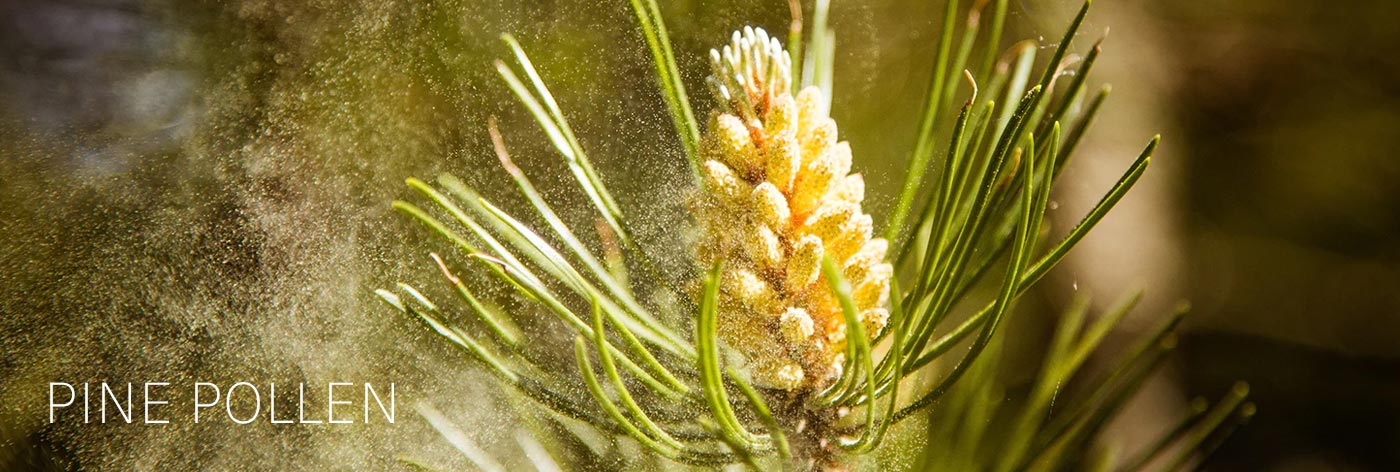
There is something quietly remarkable about pine trees. They have been on this planet for roughly 150 million years, surviving mass extinctions, ice ages, and every environmental catastrophe the earth has thrown at them. And every spring, without fail, they release clouds of golden pollen so abundant that it coats cars, ponds, and windowsills across the northern hemisphere.
For most people that pollen is an annoyance. For a growing number of men paying attention to ancestral approaches to health, it is something else entirely.
Pine pollen has been used in traditional Chinese medicine for over 2,000 years. Korean and Japanese herbalists have long recognized it as a tonic food with particular benefits for male vitality and longevity. What is interesting is that modern research is beginning to catch up with what traditional cultures figured out through centuries of observation — pine pollen contains a genuinely unusual array of compounds that interact with male hormonal health in ways that are worth paying serious attention to.
What Makes Pine Pollen Different
Pine pollen is one of the only plant sources of naturally occurring androgens — hormonal compounds that include testosterone, DHEA, androstenedione, and androsterone. These are not synthetic analogs or precursors that require conversion. They are the actual compounds, present in small but biologically meaningful amounts.
This is unusual. The plant kingdom does not typically produce androgens. The fact that pine trees do — and in such abundance — is one of those biological curiosities that probably deserves more research attention than it currently receives.
Beyond the androgens, pine pollen is genuinely nutrient dense in a way that few plant foods are. It contains over 200 bioactive compounds including amino acids, vitamins, minerals, antioxidants, and a class of compounds called brassinosteroids that have shown interesting effects on metabolism and muscle tissue in early research. It is also one of the richer plant sources of MSM, which plays a role in joint health and inflammation.
Why Tincture Matters
This is an important distinction that is worth understanding before you spend money on any pine pollen product.
Raw pine pollen — the powder form — has real value as a nutritional food. It is genuinely nutrient dense and worth eating. But the cell wall of pine pollen is made of a substance called sporopollenin, which is one of the most chemically resistant materials in the natural world. It is so tough that pine pollen grains have been found preserved in geological strata millions of years old. Your digestive system cannot reliably break it down.
This means that when you eat raw pine pollen powder, much of the bioactive content — particularly the androgens — passes through your gut without being fully absorbed. You get the nutritional benefit of whatever has leaked through the cell wall but you miss a significant portion of the potency.
A tincture changes this equation. The alcohol extraction process breaks through the sporopollenin cell wall and pulls the bioactive compounds into solution, making them directly bioavailable. When you take a pine pollen tincture sublingually — holding it under your tongue for a minute before swallowing — those compounds absorb directly into the bloodstream through the mucous membranes, bypassing the digestive system almost entirely.
If you are using pine pollen specifically for its hormonal effects on men's health, tincture is not just a preference. It is the delivery method that actually works.
Men's Health and the Androgen Question
This is where the conversation gets relevant for a lot of men who are struggling with something they may not have a clear name for.
Male testosterone levels have been declining in the western world for decades. This is not anecdote or men's rights talking point — it is documented in the peer reviewed literature. A paper published in the Journal of Clinical Endocrinology and Metabolism found that testosterone levels in American men dropped roughly 1% per year between 1987 and 2004, independent of age. Meaning a 40 year old man in 2004 had significantly lower testosterone than a 40 year old man in 1987, even controlling for the normal age related decline.
The causes are multiple and overlapping — chronic stress, sleep deprivation, sedentary lifestyle, obesity, environmental estrogen exposure from plastics and industrial chemicals, and the kind of nutrient depleted diet that the modern food system produces. From an ancestral health perspective this is entirely predictable. We have systematically removed the inputs that support healthy male hormonal function and replaced them with inputs that actively suppress it.
The symptoms are familiar to a lot of men even if they have not connected them to hormonal decline. Fatigue that sleep does not fix. Loss of drive and motivation. Difficulty maintaining muscle mass. Increased body fat particularly around the midsection. Low libido. Brain fog. A general flatness that is hard to articulate but hard to ignore.
Conventional medicine's answer to this is testosterone replacement therapy, which has its place in cases of clinical hypogonadism but comes with real tradeoffs including suppression of the body's own testosterone production, fertility impacts, and a lifetime of dependency on a pharmaceutical intervention.
The ancestral approach asks a different question. Rather than replacing what the body is no longer producing, can we support the body's own capacity to produce it? Sleep, resistance training, sunlight exposure, reduction of chronic stress, removal of estrogenic compounds from the environment, and nutrient dense whole food diet are all evidence backed approaches to supporting endogenous testosterone production.
Pine pollen tincture fits into this framework as a targeted botanical support. It is not a replacement for the foundational lifestyle work. Nothing is. But as part of a broader ancestral approach to men's hormonal health it is one of the more interesting tools available.
How to Use It
Pine pollen tincture is straightforward to use. A typical dose is one to three droppers full, taken sublingually, once or twice daily. Hold it under your tongue for 60 to 90 seconds before swallowing to maximize sublingual absorption.
Some practitioners recommend cycling it — using it for several weeks then taking a break — though the research on optimal cycling protocols is limited and largely anecdotal at this point. It is worth experimenting with to find what works for your body.
As with any hormonal support supplement, men with hormone sensitive conditions should consult with a knowledgeable practitioner before use. Pine pollen is a real source of androgens and should be treated with appropriate respect rather than casual experimentation.
What to Look For in a Product
Quality matters enormously with pine pollen tincture. You want a product made from fresh cracked cell wall pine pollen — the cracking process ensures the cell wall has been broken and the bioactives are accessible for extraction. You want a clean alcohol extraction without unnecessary additives. And you want a company that is transparent about their sourcing and extraction process.
One product I have been using and recommend is the Pine Pollen Pure Potency tincture from Surthrival. Surthrival has been in the ancestral and wild health space for a long time and their pine pollen tincture is made with genuine care for quality — fresh cracked cell wall pollen, clean extraction, potent and consistent. It fits naturally into the kind of ancestral men's health practice I am rebuilding for myself right now.
You can find it here: Pine Pollen Pure Potency — Surthrival
The Bigger Picture
Pine pollen tincture is not magic. Nothing is. But it represents something I find genuinely compelling about the ancestral health approach — the idea that the natural world, which produced human beings and shaped our biology over millions of years, also contains many of the compounds and inputs that support our health when we know where to look.
Traditional cultures found pine pollen not through clinical trials but through generations of careful observation. They noticed what it did for the men who used it and they passed that knowledge forward. Modern biochemistry is now beginning to explain the mechanisms behind what those cultures observed empirically.
That conversation between traditional knowledge and modern science is one of the most exciting frontiers in ancestral health. And pine pollen is a pretty good example of why it is worth paying attention to.
If you are a man who is feeling the effects of declining vitality and you have not yet addressed the foundational lifestyle factors — sleep, diet, movement, stress, light exposure — start there. That work is non negotiable and no supplement replaces it.
But if you have the foundations in place and you are looking for targeted botanical support for male hormonal health, pine pollen tincture is worth serious consideration. It has 2,000 years of traditional use behind it, a plausible and increasingly well understood mechanism of action, and a safety profile that compares favorably to pharmaceutical alternatives.
That is a combination worth paying attention to.
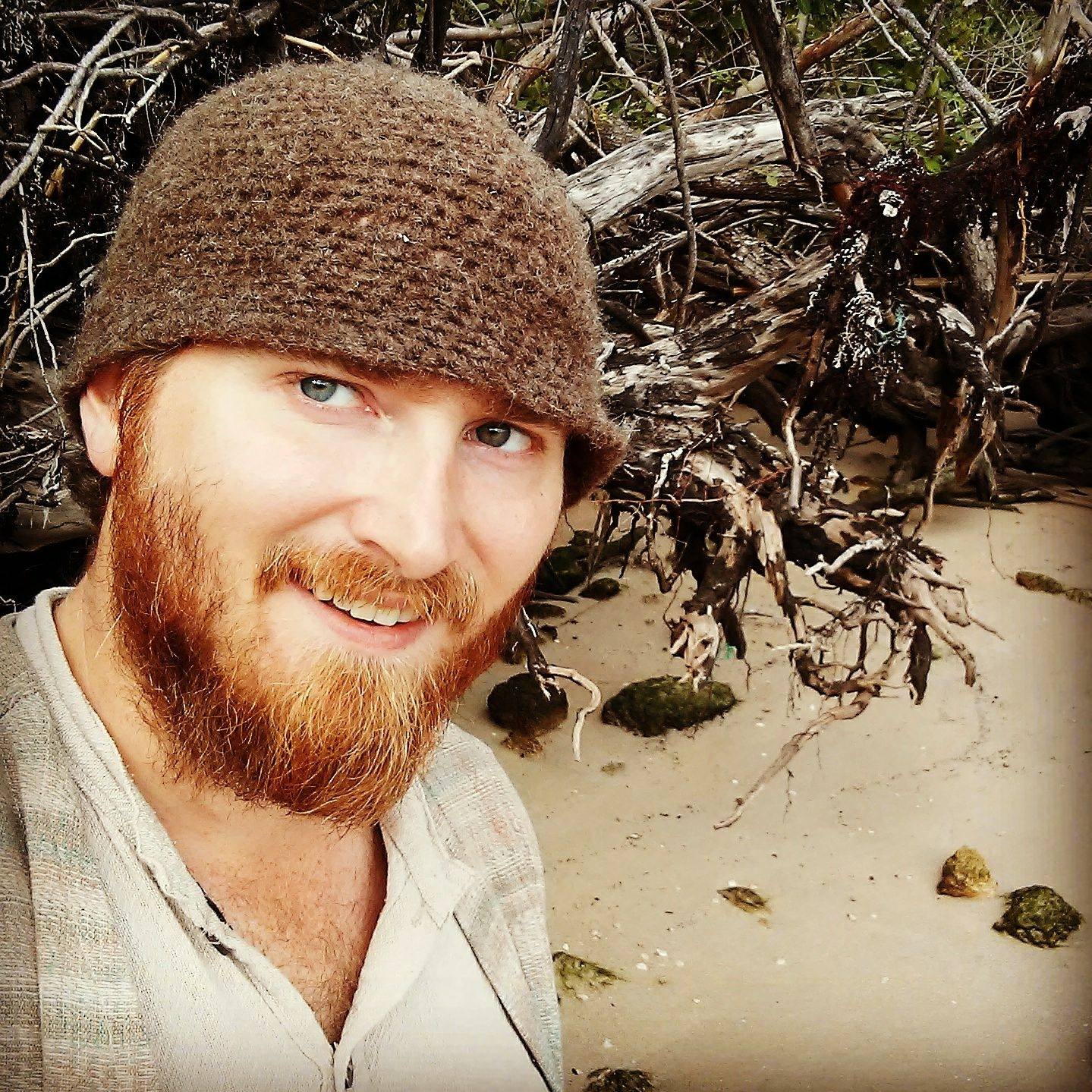
David Atlas is an ancestral health and movement coach and permaculture farmer. After years of living close to the land and helping others reverse metabolic disease through ancestral approaches to food and movement, life pulled him in a different direction. A difficult transition, a new city, and the slow drift of the standard American diet led to a type 2 diabetes diagnosis in 2026.
Instead of keeping it private, he started a podcast. Undomesticated documents his real time return to primal living; from inside a city, on a budget, with a bread-loving spouse; and brings in the best voices in ancestral health, wild food, natural movement, and human rewilding along the way.
David knows this world from the inside. He also knows what it looks like when it falls apart. That combination is what makes Undomesticated worth listening to.
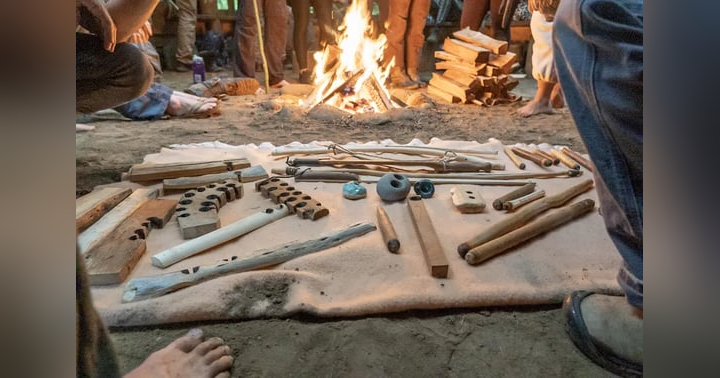
Primitive Skills Are Not About Survival. They Are About Being Human.