

Beverly Meyer: The Woman Who Was Doing Paleo Before Paleo Existed


Free Download: The Rewilding Roadmap — 10 steps back to primal living, wherever you are right now. Get it free at undomesticated.online
The conversation explores the evolution of ancestral health, the impact of diet on human health, and the significance of animal-based nutrition. It delves into the historical context of human dietary habits and the biological implications of food choices. The conversation delves into the concept of ancestral diets, emphasizing the shift from sugar-burning to fat-burning and the importance of consuming fats, meats, and organs. It also explores the role of carbohydrates, the impact of seed oils, and the affordability of ancestral diets.
Takeaways
- Ancestral health principles predate modern dietary trends
- Understanding the biological impact of food choices is crucial for overall health Sugar-burning to fat-burning transition
- Role of carbohydrates in ancestral diets
- Impact of seed oils on health
- Affordability of ancestral diets
Beverly's Links
- Website: https://www.dietandhealth.com
- Podcast: Primal Diet Modern Health (Apple Podcasts, Spotify, all major platforms)
- Pinterest: pinterest.com/dietandhealth
Affiliates and Sponsors
- Surthrival Pine Pollen Pure Potency: https://www.surthrival.com/products/pine-pollen-pure-potency?sca_ref=10683534.33JR76TgTE
- Surthrival Hunters Portion: https://www.surthrival.com/products/the-hunters-portion-premium-elk-organ-blend?sca_ref=10683534.33JR76TgTE
- Primal Kitchen (use code REWILD for 10% off): https://www.primalkitchen.com/discount/REWILD?rfsn=9000784.55d3870&utm_source=refersion&utm_medium=affiliate&utm_campaign=9000784.55d3870
David Atlas: Before there was Paleo, before there was Primal, before any of the ancestral diet frameworks that fill podcasts and bookshelves and Instagram feeds today had a name, there were a handful of people working quietly in the margins of conventional medicine who had already figured it out. They were not calling it anything in particular. They were just paying attention to what actually worked, what actually made people well.
Beverly Meyer: Hi, and thank you for having me on. I love any opportunities to talk and share knowledge and opinions.
David Atlas: Yeah, totally. â So for the people who are listening here who might not know you, I mean, you have a pretty prolific podcast, so chances are that if they're tuning into this, they very well could have come across you. Could you give me like a little intro on who you are, what you do, that kind of thing? what the human body actually seemed to want when you stopped forcing it to run on food, it was never designed to eat. My guest today is one of those people. And I think the conversation we had is one that every person who has ever been confused about what to eat, frustrated with conventional medical advice, or simply trying to find their way back to genuine health needs to hear.
Beverly Meyer: Yes, â I've been in practice since the mid 80s. I don't have a medical degree, but what we used to call natural health or alternative health or complementary medicine, and now it's functional health and all the different titles are all the same thing, that we are looking to find the cause of what's going on in our discomfort and our health and our labs and the way we live and think and function.
David Atlas: Welcome to Undomesticated. I'm David Atlas. We're living in a moment of genuine nutritional chaos. On one side, you have the conventional medical and dietary establishment still largely defending the low-fat, high-carbohydrate guidelines that have been steering Americans wrong since the 1970s. On the other side, you have a fragmented ancestral health world.
Beverly Meyer: So that's my path with my website, my own podcasts, and my own health journey since the 70s. And that's on diet and health, on dietandhealth.com. And then about 14 years ago, I began podcasting also. And that is Primal Diet, Modern Health, and you can find me there. Okay, so that's a little nutshell of what I do.
David Atlas: with a dozen competing frameworks all claiming to have the answer. Paleo, Primal, Carnivore, Keto, West and A Price, each with their passionate advocates, their celebrity spokespeople, their online communities, and their strong opinions about what everyone else is getting wrong. And somewhere in the middle of all that noise is a person who just wants to know what to eat to feel well and not get sick.
Beverly Meyer: You know, I've always been passionate about trying to alter, manage, understand, manipulate, take care of my own health, because it didn't seem like anybody else was doing it. so, you know, I had a career in big business and I just, my health couldn't handle that. So in searching for how am gonna get myself healthier and happier and more comfortable, I eventually realized that
David Atlas: who's tired of being confused, who's tried things that did not work, and is looking for something grounded in real biology and real clinical experience rather than the latest trend.
Beverly Meyer: I'm knowing more than many of the practitioners that I'm seeing. so, you know, and I've been in practice since the mid eighties ever since.
David Atlas: That's the person who this episode is for. Because what my guest today brings to this conversation is something that most voices in the ancestral health space simply can't offer. She's been doing this work since before it had a name. She's been in clinical practice since the mid-1980s, helping real patients with real health problems through food and functional medicine, at a time when that approach was considered fringe, alternative, and That's awesome. So what initially like got you interested in this? Because most people would be perfectly happy going to their doctor and getting that information kind of doing the standard thing like what drew you to kind of this ancestral health worlds and kind of kept you in it for so long.
Beverly Meyer: Well, let's go back when I was a college student in the 70s and I contracted the herpes virus and nobody at the university medical system had anything remotely helpful to say about that. And in my case, it became a very serious problem, which fast forward 45 years, I find out that I have a genetic immune.
David Atlas: more than a little eccentric. She watched the paleo movement emerge, develop, splinter, and go mainstream from the inside. She was teaching these principles to patients years before Boyd Eaton published his landmark Paleolithic Nutrition paper in 1985, years before Lauren Cordain wrote the Paleo Diet, and years before any of that entered popular consciousness.
Beverly Meyer: Deficiency, but anyway, going back to the original time, a friend of mine, I don't remember who it was, but suggested, you know, there's this guy and he's kind of different. He's not a doctor, but he really helped my friend or my sister. And why don't you go see him and talk to him about it? Maybe he's got ideas. And that's when my eyes opened that there is a whole world of
David Atlas: That perspective is rare and valuable in a space that sometimes has a short memory and an even shorter attention span. Beverly Meyer has been in practice as a clinical nutritionist since the mid 1980s. Her website, dietandhealth.com carries hundreds of deeply researched health articles covering everything from ancestral nutrition to hormonal health to viral illness and immune function. Her podcast, Primal Diet, Modern Health has been running for 14 years and
Beverly Meyer: practitioners and medicine and medical support and life and body and supplements and you name it out there, completely adjunctive to traditional medical systems. And of course they can interweave or they can be outsiders or whatever. But that was my eye-opening experience and I've never looked back. So starting early on and as a college student, I was like,
David Atlas: is something like 300 episodes of substantive clinical knowledge freely shared with anyone willing to listen. I want to say that again because I think it deserves emphasis. 14 years of real clinical knowledge from someone who's been in the trenches of this work longer than most of the current generation of ancestral health influencers have been paying attention to it.
Beverly Meyer: â look, there's this stuff called tofu, tofu. You know, we'd never heard of it. It's the 70s, you know. And, you know, I remember clearly reading about that and studying, you know, what is soy? We don't eat soy. You know, that's not important. But the point is, is that I was intrigued by, by new things and different things than I could just get at the University Health Clinic.
David Atlas: Beverly's own health journey is inseparable from her clinical perspective. She contracted the Epstein-Barr virus as a college student in the 1970s and has found that conventional medicine had almost nothing useful to offer her. Yeah, definitely. And I think talking about soy, like bringing that up, that's, I personally cannot tolerate any soy unless it's like heavily fermented, like a little bit of soy sauce or tamari. â I never have been able to, it just does not work for me. â And then also found out that I couldn't do wheat and grains and all these other things. And that kind of drew me down this rabbit hole of That experience centered down a path of finding practitioners and approaches that actually worked. Eventually realizing that she was accumulating more practical knowledge about human health than many of the doctors she was seeing. She went into practice herself and has been there ever since. Her framework is grounded, practical, and refreshingly free of dogma. Food first, animal protein and animal fats is the foundation, grains and legumes is genuinely problematic for most people, not as a dietary preference but as a biological reality, clinical testing that goes far beyond the standard labs that conventional medicine relies on, and a deep respect for the individual variation you know, looking at soy free and then gluten free and then eventually worked my way down to like the paleo stuff that that was available at the time. â And then kind of tried a bunch of these paleo esque sort of things, like, you know, carnivore primal, â whatever trends were going on at the time, like, what do you â That means no single protocol works for everyone. What do you think about the fad diet aspect of it? And what do you think are the core takeaways of truly ancestral diet that we should be looking at?
Beverly Meyer: well, that's â big â question â a lot of questions at once. Thanks a lot, David. â Well, â me, â â one of my â that is a â man, and he â the first one back in the 80s, I guess, that â he did a very advanced form of muscle response testing.
David Atlas: It's a big question. like to ask big questions and we might get to half of it. Yeah. It's a terrible habit. Before we get into the conversation, I want to take a moment and talk about something that feels particularly relevant as we come out of winter and into spring.
Beverly Meyer: which the person that helped me with a student also had done muscle testing. And I was traveling and actually in several countries learning different systems of diagnostic kinesiology, which I'm now, it's the heart and soul of what I do. You should see my office like a science lab. But he's the first one that said, you you need to stay off of wheat. I don't know if it's celiac or what, but.
David Atlas: Mm-hmm. If you've been following along with my own health journey, you know that I'm actively working on reversing a type 2 diabetes diagnosis using ancestral tools. Part of that work involves making sure my hormonal foundation is as strong as possible, because metabolic health and hormonal health are deeply intertwined in ways that conventional medicine rarely addresses together.
Beverly Meyer: wheat and gluten are just not your thing. And then over the years, okay, well, let's not eat wheat, so let's eat spelt. Okay, that didn't work. Let's not eat spelt. What about â something? So that's how I came and stumbled upon the fact that I personally could not tolerate grains. And let me define something about grains. Because when people hear the word grains, they
David Atlas: One of the things I've been using as part of that foundation is pine pollen tincture. And I want to talk about why spring is specifically the right time to be paying attention to this. Pine trees are just beginning to come alive right now. If you're in the deep south, you may have been outside recently and you may have already noticed that the golden dusting of pine pollen is starting to appear on Carson's surfaces.
Beverly Meyer: often don't know what we mean. So if you're an herbivore, like a horse or an elk or walrus, the way your body is designed is your head is close to the ground, your eyes are scanning the ground looking for food. So an herbivore is looking
David Atlas: Yeah, rabbits.
Beverly Meyer: for that tasty weed, that tasty grass seed, that crazy tasty fungus or whatever, those leaves. And of course, humans â don't do that. Our heads are upright, our eyes are wired to, horses hunt by looking at the ground and by their smell. Humans hunt by motion because what we're looking for is protein.
David Atlas: That pollen is one of the most nutrient dense substances in the natural world and one of the only plant sources of occurring androgens, â testosterone and DHEA. For dealing with the hormonal decline that modern life almost inevitably produces, whether from chronic stress, poor sleep, â seed consumption, or just the general assault of the modern environment on male hormonal health, pine pollen tincture is one of the most interesting botanical tools available.
Beverly Meyer: All right, we're hardwired as protein eaters and proteins move. All right, they fly, they crawl, they swim, they run, â whereas leaves and grass and twigs don't run. So â our eyes are in a different place. so it's just part of our basic, basic biology that we don't bend over and eat wheat, rice, corn.
David Atlas: Mm-hmm. Unlike raw pine pollen powder, the tincture uses an alcohol extraction process that breaks through the tough outer cell wall of the pollen grain, making the bioactive compounds actually bioavailable. You take it sublingually, hold it under your tongue for about a minute, and those compounds absorb directly into the bloodstream.
Beverly Meyer: oats, barley, spelt oats, or so that. then things like soy, are technically as a legume, but there again, also, we don't graze on bushes and legumes in our evolutionary history. And yes, we could find something and of course we had fire and we could boil it or whatever, but â that's a lot of work to collect.
David Atlas: I've been using the Pine Pollen Pure Potency Tincture from Sir Thrival, and it's a product I genuinely stand behind. Sir Thrival has been in this space for a long time, and their commitment to quality is real. This is not a supplement company slapping a label on a bulk ingredient. This is a carefully made product from people who actually understand the ancestral and wild health world. Spring is the right time to start. The pine trees know it. Your body probably does too. You can find the link in the notes and your purchase helps support the show.
Beverly Meyer: shell them â cook them. so anyway, we're much happier going after a deer and some mushrooms and some honey and a tuber â the three strawberries that â 20 of us found today that had not already been eaten by ants and squirrels and foxes and birds and worms and bears and everything else. â So â â core for me.
David Atlas: Go check it out.
Beverly Meyer: that getting off of the grain family and and then the next thing came the bean family. It's like, well, you know, I'm soaking them. I'm sprouting these things. They're just not fermenting. I don't think these are my food. So there go the beans. And â and that's how I started to understand for myself that when I ate animals and animal fats and cooked vegetables,
David Atlas: Mm-hmm. me tell you what Beverly and I talked about and why I think it matters. â We where Beverly always starts, â food. the question of what humans actually are as biological organisms â and means for we should be eating. â The distinction between herbivores and omnivores. â
Beverly Meyer: â some tubers â then everything else is a condiment like fruit or â or garlic or rosemary or â know â are condiments to the mainstay foods that we find and nuts and seeds of course have always held a prominent place in in humans because we could store them over the winter so we could store animal fats that we rendered from the bear or whatever we had
David Atlas: and carnivores is not just about diet preference. It's written into our anatomy, our sensory systems, our digestive architecture. We talked about the history of the ancestral diet movement. Mm-hmm.
Beverly Meyer: harvested. We could store animal fats and nuts and seeds over the winter and we learned of course how to smoke meat or salt meat to keep for the winter. So it was my own trial and error of what seems to feel better for me and around that time I began working with a client who was very ill, very underweight. â She said she had never been diagnosed with ovarian or uterine cancer but
David Atlas: Beverly lived through the emergence of this whole conversation from the inside and her perspective on how paleo went from fringe clinical observation to mainstream diet trend is genuinely illuminating. She was working with patients on grain-free animal-based eating before most of current generation of paleo advocates had heard the word ancestral.
Beverly Meyer: She was pretty clear that's what it was and she was not going to treat it. And I had been looking at the specific carbohydrate diet, GAPS diet, the early work of Boyd-Eaton on the Paleolithic prescription and my own understanding of what I could digest and what it makes sense biologically that a human
David Atlas: We got into grains and legumes in depth, not as a blanket condemnation, but as genuine clinical and biological conversation about why these foods are problematic for most of the population, and why the ancestral argument against them goes deeper than sensitivity or intolerance. Mm-hmm.
Beverly Meyer: can digest and is suited for. And so we began eating basically what we now know is called the Paleo diet, the Paleolithic diet at that time. And that was a couple of decades ago. And then after that came Rob Wolf's book and Mark Sisson's book. And people picked up on that name, the Paleo diet. And I'm always surprised when I do podcasts.
David Atlas: We talked about cholesterol and saturated fat, one of the most important and most persistently misunderstood conversations in all of nutrition. Beverly has 40 years of clinical experience watching what actually happens to patients who shift to animal fats and away from industrial seed oils. And the results consistently contradict what conventional medicine predicts.
Beverly Meyer: that sometimes the host will say, what is the paleo diet? And I say, it's from the word paleolithic, like that half million or hundreds of millions of year period in our life history â before we began agriculture. â so yeah, whether you call it ancestral, biological, my DVD is The Diet for Human Beings.
David Atlas: And we ended with some really good tips on how you can incorporate this into your life without spending an obscene amount of money. How to eat ancestrally on a real budget. Beverly's philosophy is direct and unsparing. All meals are dinner. And that simplicity is exactly what most people need when they're trying to find their way back to real food without spending a fortune. This conversation gave me a lot. And I think it'll give you a lot too.
Beverly Meyer: And no matter what you call it, it's basically looking at how are we meant to eat?
David Atlas: Mm hmm. Yeah, I think one of the things that like people miss is that it's only been a couple of generations that we've been kind of eating in this way. You know, for some of us, like they say that the agricultural revolution started 10,000 years ago, but that's 10,000 years ago for one people in one place. Areas in, you know, far northern Europe might have only been 1500, 2000 years ago. Everly Meyer, welcome to Undomesticated. that they started getting that. And then there's some people that it was yesterday. You know, if we're talking about people that are coming out of the jungle, the Amazon encountering these modern foods, like it's an ongoing process. And it takes hundreds of thousands of years to adapt to these kinds of massive changes. It's not going to happen in two years, 10,000 years, probably even 30, 40,000 years. So like looking back to what we've been doing for the past two to 300,000 years as homo sapiens and two and a half to three million years as modern hominids, I think is something that people don't think about.
Beverly Meyer: Yes, so that I had three answers in my head and of course I immediately forgot them all but yes, the last we've had several ice ages on this planet where the earth was a lot of the earth was covered with ice and the last ice age ended very recently like you know 15, 13,000 years ago and But humans came through that ice age like the champs because of course we'd had fire a really long time. We obviously had skins and we knew how to do shelters and communicate and hunt and store food. so we had an exponential â population growth during the ice age and many of the animals died out because we ate them.
David Atlas: Mm-hmm.
Beverly Meyer: Well, I mean, it's like, where did the mammoths go? You know, I mean, they survived previous ice ages. Why? Well, because we ate them. And yes, an ice age is a little hard to find vegetation when you're a mammoth. But the elephants made it through. So, you know, they're made more equatorial. So they didn't have the ice.
David Atlas: Yeah, and then I think the last mammoths died on a small island only 4,000 years ago. And that was mainly due to lack of genetic diversity, that their genetics just imploded. So clearly, it's not the climate that was doing this. We were eating very large animals in very large quantities.
Beverly Meyer: Ha ha ha. Yeah, and but then what the big change that happened, you know, 13,000 years ago or whatever, like you say, more or less, depending on latitude, longitude, seasons, et cetera, that â the smart human tribal people â began to say, no, wait a minute, why are we on the go all the time hunting things? Why don't we â block off this canyon and dam up this river or whatever we have to do so that all the animals, as far as I can see, we're trapping these and this is our animal supply that we can stay here and defend. And which is of course the beginning of farming, agriculture, know, whatever. And during that time now they eat the grass so we have to start growing the grass seed. And that's when we began. experimenting with eating the grass seed. It wasn't until then that we ever had much interest in it and the same thing occurred with dairy products. So you know as a wild animal you're you're not going to approach a wild yak or a wild camel or something and say may I politely you know milk you now.
David Atlas: would love to meet the guy that tried to that tried to milk an auroch somewhere in northern Europe.
Beverly Meyer: So we had no dairy products, but now that they're living with us and we're feeding them and trying to take care of them because now there are health and wealth, if you will, â we began â harvesting and eating, gee, that first two sips of that milk tastes awfully good. Well, we discovered cream and butter, right? And so they became, because they are saturated fats, they became enormously fast-tracked on our evolutionary â menu of good food, bad food. So we've been on the hunt for saturated animal fat for eons, and now suddenly we can harvest yak butter, and it's like, yippee, we have a whole new fat, and kind of an adjunct to that. For those of us that didn't â live in the more northern or the far southern areas, but were more equatorial, they don't have bears and salmon and codfish and â fatty animals, but they do have, drum roll please, they do have coconuts. then the coconuts of course have an excellent oil and it is a partially saturated fat. So it's a. So cold climates, we got animals, warmer clients, we've got coconuts. And so humans have always had a source of â ready â saturated fat. we didn't eat a lot of olives and avocados. Who's finding ripe olives and avocados? then who's figuring out you have to treat them and then press them to get the oil? So you know. That's really new. So anyway, yes, people often are shocked. Like, you want me to eat saturated fat? I said, yes, but not from cheap hamburger meat. I want you to eat the meats and the fats and the organs from the healthiest meat you can afford. â Grass-fed, grass-finished. And that's kind of a scam. lot of meat sometimes just get packaged as grass-fed. but they may not be grass finished. I mean, cows eat grass, all cows are grass fed. It's what happens to them in the last two to six to eight months of their life where they're kept on corn and soy. â That's the difference. people, I encourage people to inquire about that. Okay, a grass fed, are they grass, are they pasture finished also?
David Atlas: And I mean, that becomes important with the omega 3 to omega 6 ratios that are in the fat. Can you talk a little bit about like the quality of the fat and kind of why you wouldn't want to go for the, you know, grain fed â kind of feedlot cows besides, you know, ethically, because they're supposed to be eating grass and grains in nature. So what's the difference?
Beverly Meyer: Right. Well, corn and soy is not a cow or goat's diet. it's the same thing as the first things we talked about. It's not our food. They don't eat corn and soy, â especially not this corn and soy, which is so engineered to be in such a certain way and big and tall and easy to harvest, and most of which is roundup ready. So it's â the seeds are already, â what's the word, genetically altered to be ready for massive doses of Roundup pesticide that won't kill the plant, it'll just kill the pests. But of course, then the commercial animals are eating all this Roundup as well. And then the grains, thank you for asking this, the grains are high in omega-6. So three, six, and nine, the kind of the basic omegas, three, six, nine. So of course we hear omega-3 like fish oil, and â people don't hear much about nines, but same thing there, it's pastured animals. But omega-6 is what comes from corn and soy. So this is a big factor in human health, as well as the meat that we eat is that when we eat non- native animals that are eating something else that's not their diet, specifically corn and soy, â that their fat becomes very much omega-6 fat. And that's part of why quote unquote meat is bad for us. â It's because the animals, what they've eaten or what they've been medicated with, but a lot of this then stays with the meat and the fat.
David Atlas: Yeah. And I think, like, historically, if we're looking at hunter gatherer societies that are eating their biologically appropriate diet, we tend to find that they're eating kind of a one to one ratio to maybe like a one to three ratio of omega threes to omega sixes. â In our modern diet, it's it's something like one to right, right. Yeah, it's insanely unbalanced. So like anything we could do to narrow that gap a little bit is
Beverly Meyer: 10 to 1. Yeah, 10 to 1.
David Atlas: â
Beverly Meyer: But now, and so, okay, so then now in the poultry family world, â the best that most people can afford and or even know how to find are organic chickens and turkeys. So they're still eating soy and corn. It's just that it's organic soy and corn. Well, that's good. That's a lot. That's really, really helpful. I'm fortunate that I can afford to buy and I have several different â meat vendors around the country that some of them have pastured â turkeys and poultry. So, you know, I can make pastured poultry meatloaf with stuffed with olives and capers and, you know, stuffed â sauteed zucchini and, you know, make a meatloaf out of it without any breadcrumbs. And it's delicious. And, you know, it freezes well and it stores well. And that's one of my mottos is anytime you cook anything.
David Atlas: Mm-hmm. That's delicious.
Beverly Meyer: make more of it. So if you're going to cook one chicken, put three chickens in the oven and you know, tear the meat off and freeze it and you know, you're ahead of the game.
David Atlas: Mm-hmm. Yeah, chicken, and eggs are a funny thing because I've seen lately, you know, you had organic then you got your cage free eggs, which were marketed as better. â Now, I've seen a ton of places marketing is vegetarian fed as as a plus side, which means they eat corn and soy, but they're selling it as a benefit as opposed to.
Beverly Meyer: Well, that means they eat corn and soy. Yeah. Right, yes, and of course chickens are omnivores. I mean, they've got huge claws and huge beaks. They don't need that to hunt soy. Absolutely, chickens are absolute carnivores and herbivores. So they are omnivores. So when you see something that's like, yes, of course your commercial chickens are vegetarian fed because they're eating corn and soy.
David Atlas: Mm-hmm. â yeah, they're little dinosaurs. I've seen them hunting mice and just tearing them apart. Chickens are vicious. Mm-hmm. Right.
Beverly Meyer: as Michael Pollan and other people talk about and teach and write about and YouTube about for a decade or more, the regenerative farming, regenerative farming, where the farming that goes on is actually improving the health of the land while it's feeding the cycle of food, like the pigs eat all the waste from everything, you know, the whey leftover or the... pardon me, but the dead chicken parts or whatever, know, the pigs will eat all of that. â And then the poultry is in mobile coops, like, â what do they call them? Tiny homes. It's kind of like, they're like tiny homes with roosts. Yes, it's a contractor system that they can, as they move the cattle, or goat from one electric fence area, they'll open the fence and then they all run over to the,
David Atlas: It's like a chicken tractor system.
Beverly Meyer: better salad bar, which has now got a foot tall grass. They've eaten everything in the first, and then they close the fence and then they haul in the poultry. And so the poultry is perfectly thrilled because now they've got â â the manure and worms and things that the, the, â hooved animals didn't eat. So, you know, it's kind of cool. But not, not all ranchers and farmers can do that. But, â chickens need to be out.
David Atlas: Right.
Beverly Meyer: eating bugs and worms and scraps and that's what they want.
David Atlas: Mm-hmm. Yeah, our chickens would love it when we move them to a new pasture. We had cows and we had sheep and we would run chickens in between them because they will help â prevent disease in the animals as well. That way you don't have to be constantly treating with antibiotics. But you give like that pasture two, three days to rest for all those maggots to get nice and fat and run some chickens in there. They are in heaven.
Beverly Meyer: That's true, that is true.
David Atlas: Mm-hmm. That's awesome. I appreciate that you brought maggots in the discussion. â
Beverly Meyer: â boy. Now I want to raise a really important point about whether we call it a primal diet, paleo diet, ancestral, biological, a diet for human beings, specific carbohydrate diet, gaps, no matter what you call it. â Mark Sisson said it the best on the cover of his book, The Primal Blueprint, from I don't know how long the first volume was, 15 years, I don't know. but that has a couple of really good chapters on this that says clearly humans are born to be fat burners, but we have become sugar burners. And I don't mean just corn syrup, mean, Doritos or whatever, pasta, pizza and Cinnabon. So we're born to be fat burners.
David Atlas: Mm-hmm.
Beverly Meyer: and but we have become sugar burners. And here of course is the one of the most important root causes of most human disorders is the insulin resistance and the metabolic syndrome and the weight gain that the carbs put on us and â eating all these grains and starches and carbs. And so we've become sugar burners, but If you go back in time to our friendly 100,000 year old man, he wants to eat the fats and the organs and the animals. And yes, the people back at the home place, well, they'll be gathering nuts and seeds and weeds and tubers or eggs or honey or whatever they can find. But â they're looking for the meats and the fats and the organs. That's what they run on. But humans have that capacity that hunting is not a sure bet at any time. So we have a capacity when we don't have a nice fresh salmon or elk to eat, that our body makes and releases sugars that we can live on or we can process any sugars in any body fat that we have. â
David Atlas: Mm-hmm.
Beverly Meyer: And so we have the capacity to burn sugars and run on them, but we greatly prefer to run on fats. And so when people make that switch, like, you know, this makes sense. I'm going to start trying to understand exactly how to eat paleo ancestral. And OK, let's see what we can do about getting these carbs out of my life. And â
David Atlas: Mm-hmm.
Beverly Meyer: For some people it's really hard and for other people it's just, it's not hard, but your body has to, it's like flipping the switch from, you know, power mode A to power mode B, you know, your body has to reorganize how it's going to get its cellular fuel. And â so it'll, it'll happen. It's just faster and easier for some people than others. But of course that's where diabetes and insulin resistance and
David Atlas: Mm-hmm.
Beverly Meyer: polycystic ovarian syndrome and, you know, â obesity and so many of our modern ills come because we've basically third generation or whatever been living as sugar burners.
David Atlas: Yeah. Now, what would you say to the people, and I've encountered this a couple of times before, the people who say that like you need carbohydrates to be able to function because, your brain runs on glucose. Like you need a certain amount of glucose in your system for â your synapses to fire and communicate properly. So if we're advocating for, you know, reducing or eliminating carbs as much as possible, How does that work?
Beverly Meyer: Well, we're not advocating to reduce carbs so much as we are removing the seeds of grasses and a lot of the legumes as well. But the tubers, like potatoes and sweet potatoes, and of course, the vegetable kingdom. in the correct food pyramid for a paleo primal ancestral diet, the... the meats and their fats are at the base of the food pyramid, but immediately adjacent is the vegetable kingdom. And then as we go up, you have things that are not so easy to find, like nuts and seeds. And then up near the top is where you find â natural sugars, which are pretty rare, like sugar cane or whatever. But yeah, exactly. But when we digest food, we turn it into glucose. mean, we do run on, the cells run on glucose. It's just the differences is that the nutrients and the digestive system for eating them and extracting the huge variety of nutrients from animals and gathering and vegetables and tubers and mushrooms and some eggs and some garlic or nuts or whatever, it's different of course than chowing down on â a bag of Oreos or a big gulp soda that's got, I don't know how much sugar in it, it's just crazy. So we don't need that type of carb, the way, when I see clients and I see clients virtually all over the world, and I've been doing that since the mid 80s.
David Atlas: Mm-hmm.
Beverly Meyer: want people to understand that you're gonna feel better, sleep better, think better, function better, have better moods, â â weight, all this stuff. If you kind of get back to your biological basics â that â â people to â â to â a lot of vegetables, which â of us have never been raised to do. â And I don't mean salads. I'm talking about â that two thirds of your dinner plate is cooked vegetables. so this is a whole other podcast story, but basically we digest slightly cooked, grilled, steamed, whatever vegetable matter. We digest it better when we have â heated it and then
David Atlas: Mm-hmm.
Beverly Meyer: trying to, we know this when you try to eat raw broccoli and raw cauliflower, we know they're gonna make us gassy and uncomfortable and they don't taste right. And, you know, it's like, yes, they don't, but let's steam them and, you know, put some nice butter on there and some Himalayan salt and they're, you know, quite tasty. so it, I live alone and I eat, when I bring home my groceries, I've got 10 to 15 pounds of produce a week in there.
David Atlas: Mm-hmm.
Beverly Meyer: So I've got spaghetti squash, butternut squash, eggplants, radishes, you name it. The whole 40 foot aisle is in my cart. So the meats are easy. I can put two chickens and two crock pots and get the grill going and whatever and produce enough cooked proteins for a week, which is how I do it. And then I put it away, half of it. And but the the produce, yeah, it's going to take a couple hours to cook all that. But then you put it away, you freeze half of it and then pull it out. I put it in ball jars and so that they all stand up in my freezer in rows and I can see, â I got tons of broccoli in there. â So anyway, that's that. And then when you sit down to eat, you've got your animal proteins, you've got loads of cooked vegetables.
David Atlas: Mm-hmm.
Beverly Meyer: And now you put the fats on everything and then top it with some Himalayan salt. then anything else you want that's a condiment like olives or garlic, or maybe you're gonna saute it in garlic oil or whatever, having food just cooked and ready to go. I have a free ebook on this. So anybody that subscribes to anything on my website, they'll get this. ebook walks you through how I've cooked for 20 years. And all of this is basically how I came to feel better in my own body and understand my digestion or my gas or my hunger or my my mental fog or whatever. but â before before the primal paleo books and podcasts came out. yeah, â so that that's the way to go.
David Atlas: Yeah, I think that's where we're more of the keto carnivore crowd take it a little bit too far by trying to completely eliminate that. And I mean, your body can turn triglycerides into some amount of glucose, but that's not a sustainable way to do that for 99 % of people.
Beverly Meyer: Yeah, we're hunters and gatherers. Right. Sorry, I interrupted you. Yes, we are hunters and gatherers. So we do eat plant matter. â mean, nuts and seeds are, you know, really balanced between protein, fat and carbs. They're like a 30, 30, 30 food and â tubers, of course, and root vegetables or anything that grows under the ground is going to have more carbohydrates and something that grows above the ground, except for the grains, because they're just pure carbs.
David Atlas: Mm-hmm.
Beverly Meyer: â But â yeah, so we get plenty of, and I make sure I do eat yams and sweet potatoes and potatoes and so on, so that I do have a little extra straight carb in addition to all my veggies. So I think that is important. And when you look at your labs, your blood work, I always encourage my clients to, when you look at,
David Atlas: Right.
Beverly Meyer: your labs. Aim for the middle of the lab. So if you're looking at a lab that your doctor has said, oh everything's fine, see you in a year. Well now, wait a minute, let's quickly scan those numbers while you're with a physician and say, now this one says the range is 20 to 100 and I'm at 25. Doctor, is this an ideal value? No, it's not an ideal value.
David Atlas: Mm-hmm.
Beverly Meyer: you have fallen within the omega curve of the people who are sick on both ends of the middle, basically. Well, I know, but you can get a lot of information out of even basic labs just by using that simple, simple rule of, know, am I in the middle of these numbers? And cholesterol is artificially manipulated. So that rule doesn't really apply. Humans have always had
David Atlas: So many people don't even look at their labs. Mm-hmm.
Beverly Meyer: a little higher cholesterol than what they're telling us we should aim for. anyway, that's one way you can look and see. Well, now my ferritin, is iron, stored iron, it's at 17 and the range says 15 to 150. Should I be concerned? Yes, you should be concerned. You're very anemic. Why is that so? Do you have a bleeding ulcer? Are you vegetarian and don't eat any red meat? â Are you a woman who's been told to basically stop eating and just fast a whole lot and then have a little salad and two bites of fish and that's all you need to sustain you? Well, no, that's not gonna work either. So I can get a lot of information from basic blood work.
David Atlas: Mm hmm. Something you talked about a second ago in there too, with like, like potatoes and all that got me thinking to you. Do you prefer different kinds of vegetables like Jerusalem artichokes over potatoes, arugulo over romaine lettuce? Like, what do you think about that sort of thing and trying to get more of like the wild type, more of bitter foods?
Beverly Meyer: Yeah, that's a good question. no, I basically say shop the whole aisle, look for things that â are going to go along just fine with steaming or grilling or baking them. So I don't eat a lot of lettuces and things. There's no calories in them. There's no food in that food, if you will. â A plate works better for me than a big handful of vegetable, baby vegetable leaves. â You know, so that's fine if you want to have a salad, but make sure that what's on the salad is your actual food, your four ounce serving of salmon and the cooked green beans and the cooked asparagus and the fats that you're gonna put on there and avoiding under all circumstances anything to do with canola oil or soybean oil or sunflower oil. That's a whole other topic is how â
David Atlas: Mm-hmm. Yep. was that was actually going to be my next question is about those seed oils, because with a lot of these ancestral diets, we talk about how nuts and seeds are great. But then we also talk about how seed oils are one of the worst things that you could probably eat for your health. So can you talk a little bit about kind of the disparity about that between how whole seeds are are pretty okay and seed oils are very not okay?
Beverly Meyer: Yes, and then there's the whole raw nuts and seeds versus â soaked and dehydrated nuts and seeds, which is the only way I eat them. most people may not want to go that far on their health or whatever. the canola oil is one of the absolute worst things that we can eat. â It's from a grass called rape seed, rape seed that grows in Canada. And so when some smart person figured out a couple decades ago that they could press this plant and get an oil from it, they didn't want to call it rape seed oil. So they called it Canadian oil. Okay, canola oil. That's where the name comes from. But rape seed is just â canola oil.
David Atlas: No, it's not terribly marketable.
Beverly Meyer: is as we talked about the soy, canola, the seed oils are pure omega-6 and that is inflammation in a bottle. We do not want omega-6 foods. â Yes, chickens have some omega-6 in their meat, that's okay, but that's a little different story. So when you eat â Brazil nuts or soaked almonds or whatever, you're getting proteins, fats and carbs and the oil has not been processed, it's not oxidized, it's still part of the food, hopefully. yeah, â so, and people don't realize this, and I hate to tell people this, but most oils you buy are cut with canola oil, and they're not required to say that on the label. There are consumer groups that have been fighting for this for decades. and it's just not happening. So, you know, that bottle that says 100 % pure organic olive oil may be actually 49 % canola oil. And if you're going to eat olive oil by European or Argentine oils, you know, where they are like, absolutely, I'm not cutting my oil with canola. It'll be in a dark glass bottle. And when you taste it, it's It's green, sometimes lightish green, sometimes very dark green, and it's spicy. It has a little kick to it, which of course Americans can't tolerate it. So let's just water it all down with canola oil, you know, and then you can sell it as olive oil for six times the price. But anyway, and same thing, unfortunately, is true of avocado oil. Most of it now is being cut. So I do eat chosen foods, chosen foods,
David Atlas: Mm-hmm.
Beverly Meyer: avocado oil, I've muscle tested a bunch of different avocado oils and that one tests the best. So I stick with that, but I don't eat a lot of it because it's not a natural human food, but I do eat it. And there are times when you need some oil for your food that you're grilling or whatever. â So, but that's fine. And same thing, I thought you were gonna ask me about potatoes and nightshades that... â
David Atlas: Mm-hmm.
Beverly Meyer: potatoes, tomatoes, pepper, yeah.
David Atlas: It's a good place to go. Potatoes, like nightshades are something that I personally don't have a ton of issue with. So it's not something I think about, but there are so many people that are avoiding nightshades. â So that's definitely a good thing to go into.
Beverly Meyer: Yeah, so potatoes, tomatoes, every form of pepper, like green pepper, red pepper, pimento, but not like black pepper that you crack, know, crack pepper on your salad. So vegetable peppers, eggplants, tomatoes and potatoes, but not sweet potatoes, they're a completely different family. They all contain a substance called solanine. And solanine is actually a pretty deadly poison. And this is why when we took potatoes or tomatoes from the New World back to the Old World into England, they made people sick and they, know, they call them the deadly nightshade. So we've had a little bias against these, but now we're so used to eating them. And so I... I don't have a definitive answer for you on this and I don't think anybody else does, but most functional health practitioners might say, and you have an autoimmune disorder, avoid nightshades. But the evidence for it is not 100 % clear. There's a lot we can do to take care of ourselves with cause and effect and journaling and trialing one thing at a time. And this is why, you know, why I tell everybody you want to adopt yourself as a wellness warrior, because I'm asking you to change your diet, certain things quickly, all at once. But then as far as trialing vegetables, for example, you may want to try once you settle down, try for two weeks without asparagus. and then two weeks with asparagus. For example, there are FODMAPS food, another category of foods that some of us don't digest very well. Anything is possible for anybody. But you don't really feel a nightshade food. It doesn't blow you up or give you gas or break you out in hives. So that solanine is a little hard to understand how it's affecting
David Atlas: Mm-hmm.
Beverly Meyer: autoimmune disorders. So I'm not saying not to avoid it. I'm just not clear about it. And for me, I muscle test what I eat. So I don't eat potatoes and peppers and eggplants. And â I haven't eaten them in decades. They don't test well for me. So I don't eat them. That's,
David Atlas: Mm-hmm. Mm-hmm. And is this something that like breaks down with cooking or is it something that remains kind of persistent in the food?
Beverly Meyer: Yeah, no, think of it, it's like a mineral. It's still there, whether you've cooked it or not. It's not actually a mineral, but it's a toxic substance. â And no, cooking doesn't break solanine down.
David Atlas: Mm. Okay. Yeah, I used to when I was down in Florida, I used to grow and eat a ton of a plant called Chaya, â which I absolutely love. It's in the same family as cassava, which you eat the leaves. And it has to it contains cyanide compounds. But you have to cook it and do like two or three water changes. And then it's like the best spinach you've ever had in your life. â
Beverly Meyer: â no.
David Atlas: And lot of the foods, especially a lot of wild foods are like that where you have to cook them and possibly even change the water once or twice to get rid of those. So that was something that I wasn't sure about with the Nightshades.
Beverly Meyer: Yeah. Well, and of course we know that, you know, we attribute it to the indigenous Americans that acorns can make excellent foods, but no, you cannot grind them up and eat them raw. They have to be prepared or they are poisonous. So, yeah.
David Atlas: No. No, that's a mistake you'll make once. The tannins are incredibly mouth puckering. It's like eating â unleached black walnuts. You have to. You have to do some level of processing with it. â So one of the other complaints that I see a lot about these ancestral diets is that they can be very expensive.
Beverly Meyer: â ha ha ha ha.
David Atlas: You're talking about grass fed grass finished beef, which can sometimes be upwards of $20 a pound, pure avocado and olive oils, which could be $30 a bottle. Like how does someone take these core principles and make it into something that you know, your average person can actually afford to do?
Beverly Meyer: Yes, good question. â I went to a new farmer's market actually just a few days ago that I'd never been to before. And there were â some ladies there with a cattle company, know, with freezers of beef. And they did have chicken also. so I bought a bunch of stuff because it looked good. They made their cuts right. They weren't a lot of bones and excess fat. And when I got home and looked at the receipt, I was like, wow, these ladies are really affordable. I wonder if they know they're underpricing their food compared to others. And I buy from three or four different online vendors. I don't buy meats in the store unless I do or whatever, but generally no. But the answer to your question is, number one, carbohydrates are cheap.
David Atlas: Yeah. Mm-hmm.
Beverly Meyer: easy, abundant, and deadly. So a cheap food that's gonna make you sick is not a cheap food. All right? So when you say, all right, I am genetically a hunter gatherer, all right, well, great, ground beef is readily available. If you can't afford or find pure pasture raised, pasture finished ground beef,
David Atlas: Mm-hmm.
Beverly Meyer: then eat the quality of the ground beef you can. It's better than filling up on Coke and chips. All right? And it's better, I mean, you'll think better, you'll sleep better, you'll live better, and your body will begin burning off the excess fat on your body without you having to try, and your insulin resistance and high triglycerides will start going down without you taking medication or having to quote, try to do that. So when you get back to putting the right fuel in, amazing things are going to happen. So you do the best you can, you get the cheap cuts of meat like chuck roast, cut it up and put it in your crock pot. You know, like I've talked about my ground chicken or ground turkey meatloaf, you know, it's not easy to find that but I have a supplier that does sell that so.
David Atlas: Mm-hmm.
Beverly Meyer: There's a lot you can do with a ground lamb or ground bison or ground beef or ground anything and any kind of a chuck roast, shoulder roast, whatever that you can stew. And those are affordable cuts of meat. then vegetables, the same thing. If you can get to a farmer's market â and make that a habit, you're going to find good, fresh seasonal produce. It's going to be limited selection. But OK, well, now you've got a head start on what you're cooking for the week. You didn't get everything, but you got some, I brought home some incredible bunches of radish. I'd never seen â giant radish bunches before. Like, wow, these are beautiful. â So, and zucchini aren't in season, so I did not get, so of course that goes on the grocery list from the store. So using your farmer's market, and then â are, especially with beef,
David Atlas: Mm-hmm.
Beverly Meyer: There are many, many, many neighborhoods and communities that have ranchers that will sell the meat. What you don't wanna do is get into a cow share where you agree to buy â a half of a beef and somebody else buys the other half. Cause you're gonna end up with all these bones and things that you don't want. $25 Porterhouse steaks. It's like, no, just stick with the ground meat and the stew cut meats. And if you want a steak, go to Ruth's Chris or buy a nice fat steak at the store. Don't get a pastured steak. They're leaner, they're a little tougher. You're not going to enjoy it anyway, so don't waste your money.
David Atlas: Right. Pastured meats tend to do better for roasting and slower cooking methods. â I encountered that. I learned that when I first started raising my own cattle and I had a Highland cattle, which are wonderful dark meats with this beautiful yellow fat cap on them. It's so good. But it's such a lean meat that when we tried to grill them up, like you had to slather them with butter to get them to do anything reasonable as a steak. but they would make the best roast that you could possibly do. And the roasts tend to be the cheaper meats to go with anyway.
Beverly Meyer: Yes, exactly. So, you know, when you're on a budget, don't spend it on foods that are going to harm you and drive your glucose up for an hour or two and then leave you sick and hungry and mean. Instead, you know, have have eggs with a sausage in it and, you know, a couple of bites of avocado and a pile of steamed green beans and put some fat on everything. And then, wow, that was good. I'll have the same thing for lunch. OK, then there you go.
David Atlas: Mm-hmm.
Beverly Meyer: And by the way, that's another one of my mottos is all meals are dinner. All meals are dinner. Every client asks me this, well, what do I eat for breakfast? I say dinner, you eat dinner for breakfast. â I don't eat eggs. â That's a gallbladder thing. you've got tendency to gallbladder problems, eggs can flare it up. And if I did eat eggs, I wouldn't eat, you know,
David Atlas: Yep.
Beverly Meyer: 18 a week or whatever because again that's not an evolutionary pattern for us as far as I know and of course there were a lot more birds back then that we have managed to kill off so there were a lot more eggs than there are now â so just do the best you can and and don't spend your money on fast and processed food and and you know and don't eat out unless it's going to be simple â cafeteria tiles food like a meat and two vegetables there there you go there's your there's your template â and â Yeah
David Atlas: Mm-hmm. That's awesome. I think people probably would have gotten a lot out of this conversation. It was a lot of fun to have. â Where can people find more about you if they want to work with you directly?
Beverly Meyer: Well, I have a huge website. There's hundreds of my articles on there. They're all health articles. They're not less little chatty blogs about my trip to Spain to eat hamburger or something. I don't know. So there are a lot, a couple of hundred of really helpful, deep health articles, quite a few on herpes, shingles, and Epstein-Barr. They're all herpes viruses. And then my own podcast, so that's on diet and health.
David Atlas: Mm-hmm.
Beverly Meyer: And then my podcast, Primal Diet, Modern Health, â is that. So there's a couple hundred podcasts over there. So yeah.
David Atlas: Yeah, I was looking at the other day and there's like, think you're getting close to like 300 episodes or something like that, like that I could find on on on Apple podcasts. It was crazy. I have a lot of listening to do.
Beverly Meyer: Yeah, and then â poor old Pinterest. Well, I love Pinterest and I have a very extensive Pinterest â system page. So for people that wanna search â a different way to search through what does this woman have to offer, â the Pinterest on diet and health is really â incredible.
David Atlas: Okay. That's awesome. And we'll put links to all of those down in the show notes as well so that people can go and check those out. Yeah, it was wonderful having a conversation with you today and I hope that we can come back on here and have some more chats in the future.
Beverly Meyer: Okay. Well, and I'm gonna have a closing to say for those of you who have not listened to David's â podcast on what is ancestral diet, what does this mean anyway? It's an extremely good podcast. You will learn so much from that. So I highly recommend that on his podcast station. You're welcome. Yeah, well, it's really well done.
David Atlas: Yeah. Yeah, thank you so much. That was a fun one to put together. Thank you. Awesome. Well, thank you so much. And again, I hope we get to do this again shortly.
Beverly Meyer: Okay, thanks. Thanks for having me.
Clinical Nutritionist
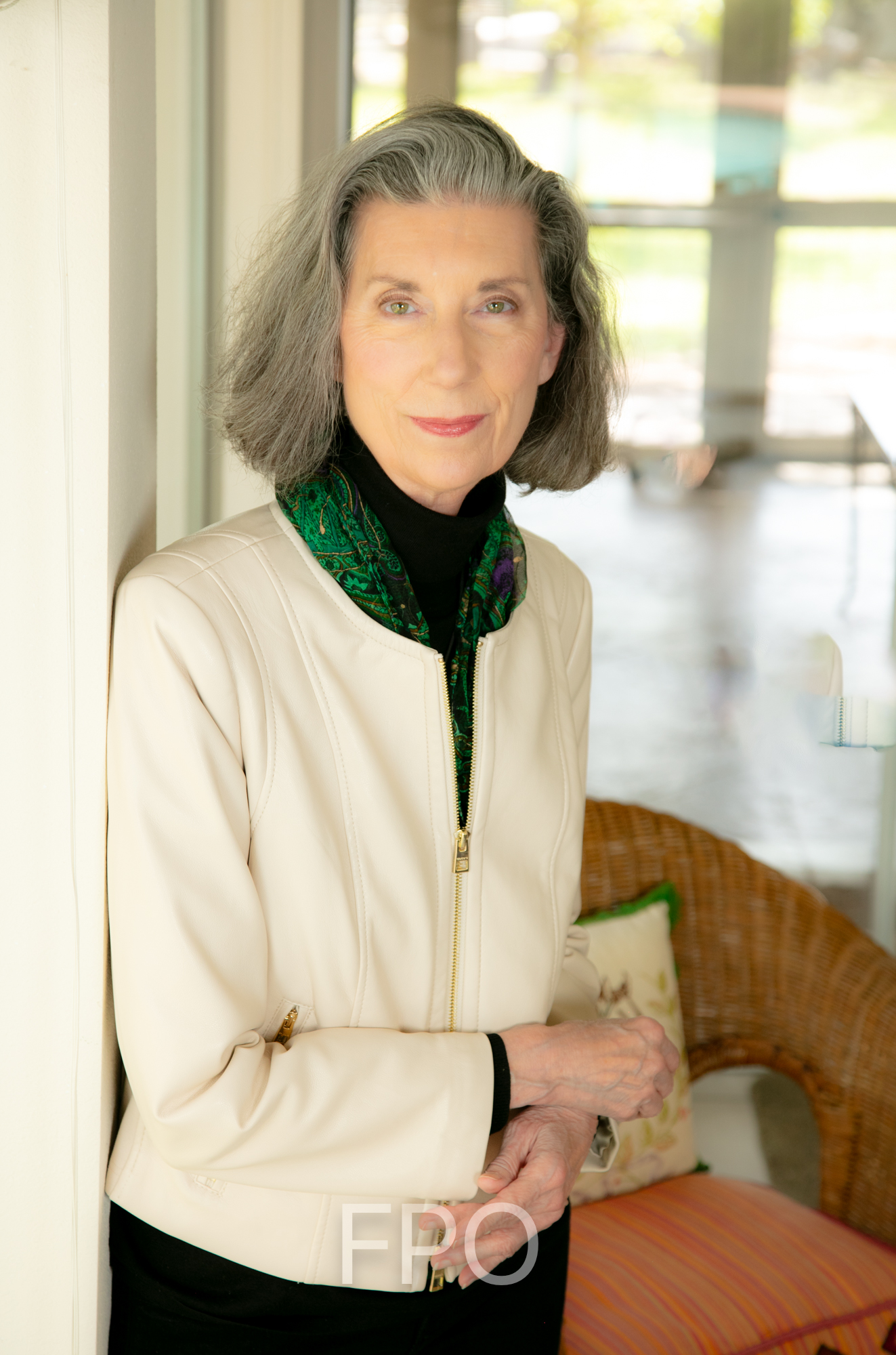
Beverly Meyer has been a client of natural health therapies since 1972. After a successful but exhausting career in big business she became a Clinical Nutritionist in 1985.
Beverly’s award-winning blog and website at On Diet and Health.com focuses on practical everyday advice for living a healthier and happier life.
She has been podcasting since 2012 as Primal Diet – Modern Health, both solo and with guests.
Living with Celiac, Epstein Barr, Primary Immune Deficiency, Adrenal Failure, Celiac and Partial Seizure Disorder, Beverly credits her decades of health research and activism with her current level of health.